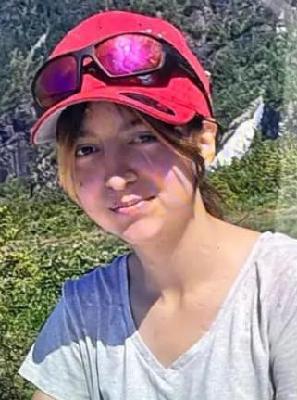
Do you know who murdered Eileen Wafer? White female, 14-year-old Eileen Wafer vanished from the Mountain View Motel in Haines, Alaska, late on the night of June 9–10, 1982, while babysitting her two younger brothers. When her mother returned around 2 a.m., the door was unlocked, the boys were asleep, and Eileen was gone. Family and local volunteers searched for days as police initially treated her as a runaway.
On the afternoon of June 14, 1982, her partially clothed body was discovered in bushes along the Portage Cove beach, near the present-day cruise ship dock. An autopsy determined she had been sexually assaulted and strangled with heavy fishing twine; it was unclear whether she was killed on the beach or her body was left there later, as searchers and beachgoers had not seen her earlier.
From the outset, missteps dogged the investigation. Eileen's disappearance was not immediately treated as an emergency, and family members later alleged that the scene was disturbed before state investigators arrived, fueling long-standing worries about contamination and lost opportunities. Even so, once the case was fully pursued, detectives collected DNA and worked leads for years. By the mid-1990s, the trail had cooled; by the late 2000s, Alaska's Cold Case Investigation Unit reopened the file and re-interviewed witnesses, but every person of interest tested was excluded by DNA and no clear suspect emerged. The most realistic hope investigators described was a future database match through CODIS or a confession.
No arrests have ever been made in the killing of 14-year-old Eileen Wafer, and authorities have never publicly identified a definitive suspect. In 2011, an independent Homicide Reward Fund began offering up to $20,000 for information leading to an arrest and conviction, a standing appeal that kept the case in public view even as state budget cuts in 2015 threatened to shutter the cold case unit that had been reviewing it. Friends and family continued to press for answers and remembrance, and in October 2025 local advocates again sought permission to place a memorial near the beach where she was found, underscoring the case's unresolved status and the community's desire for accountability.