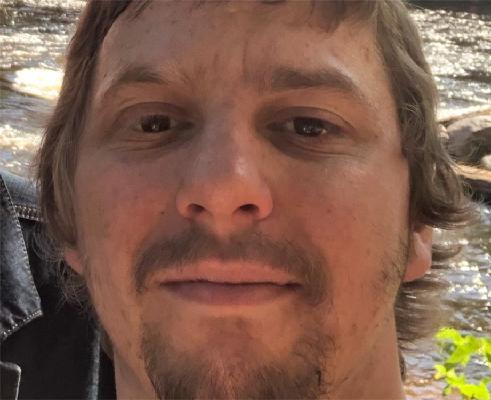
On a Sunday afternoon in the Cobblestone Farms neighborhood of Maricopa, Arizona, a series of 911 hang-up calls prompted a police response that would end in tragedy. When officers arrived at the home of Jonathan Guillory, a 32-year-old male resident, they found him outside. Neighbors had reported seeing him wandering around for a couple of hours, at one point punching his garage door and later revealing what appeared to be a gun in his waistband when he took his shirt off.
The encounter with police escalated, and officers reported that Guillory had a weapon and they felt their lives were in danger, leading them to open fire. He was transported to Chandler Regional Hospital, where he died on January 18, 2015.
The man his family knew was a loving husband and a father to two young sons. Before his military service, his wife Maria described him as the life of the party, someone who wanted to smile and have fun. However, after three tours of duty in Iraq and Afghanistan, he returned a different person, grappling with the invisible wounds of war. His family said he suffered from severe Post-Traumatic Stress Disorder. In the week leading up to his death, he had been desperately seeking help, making daily calls to crisis centers, suicide hotlines, and VA counseling services, but the support he needed never materialized. His family expressed that he was on his knees begging for help and did not deserve to die.
The Maricopa Police Department identified the two officers involved in the shooting as Sergeant Leonard Perez and Officer Joshua Hawksworth. Both were placed on paid administrative leave pending an investigation by the Arizona Department of Public Safety. Police stated that Guillory was armed with a handgun and had pointed it at the officers before they fired. While his family did not blame the police, they lamented the lack of support for veterans struggling with the devastating effects of PTSD. His wife later filed a wrongful death lawsuit.