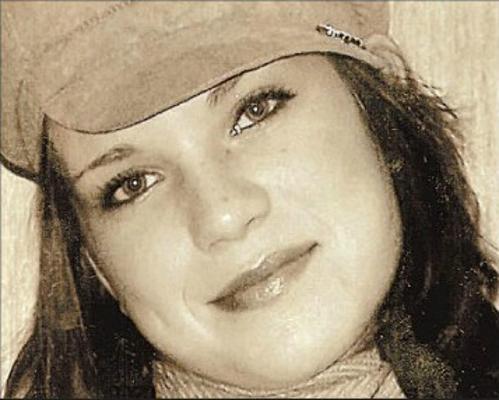
On January 18, 2020, 30-year-old Lisa Saiego, a White / Caucasian female, was killed in a double shooting in Tempe, Arizona that police quickly described as a domestic-violence-related murder–suicide. Responding officers were dispatched late that Saturday morning to reports of a possible vehicle burglary in the area near State Route 143 and University Drive, in a corridor that other reports describe more specifically as around 1st Street and 48th Street.
When they arrived, they found Lisa and a man, later identified as Antoine Hagler, both suffering from gunshot wounds near a vehicle at the scene. Lisa was pronounced dead where she was found, while Hagler was transported to a hospital in critical condition and later died from his injuries.
As investigators processed the scene, details solidified that this was not a random attack but an incident confined to the relationship between the two people involved. Police statements consistently framed the shooting as stemming from a domestic incident between Lisa and Hagler, rather than a confrontation with an outside assailant. Reports describe Lisa’s body being found outside the vehicle while Hagler was discovered slumped inside, suggesting that the violence unfolded in and around the car that had initially drawn attention under the suspicion of a vehicle burglary. Subsequent documentation of the case in databases that track gun violence categorized the connection between the pair as significant others, underscoring that the tragedy arose within an intimate relationship rather than from a stranger encounter.
Detectives from the Tempe Police Department concluded that Hagler shot and killed Lisa before turning the gun on himself, and the case was formally labeled a murder–suicide. News outlets covering the investigation emphasized that authorities believed it was an isolated event tied to domestic violence, and that there was no broader threat to the public. Police made clear that all parties involved had been identified, and that no suspects were at large. Because the person they determined to be the shooter died of his own gunshot wound, there were no arrests in the case; instead, it was treated as resolved with the primary suspect deceased, a status echoed in later summaries of the incident on case-tracking and victim-advocacy sites.
In the years since the shooting, Lisa’s death has been memorialized in online spaces devoted to victims of gun violence and to documenting homicide cases in Arizona. National remembrance sites list her as having been lost to gun violence in Tempe on the date of the shooting and link her story to the original local news coverage, while case-summary platforms repeat the core findings: that she died at the scene of a domestic-violence murder–suicide, that the suspected shooter was identified and also died, and that the investigation did not uncover any additional suspects. These public records and memorials collectively preserve the basic facts of what happened to Lisa and situate her case within the broader context of domestic-violence-related killings in the state.