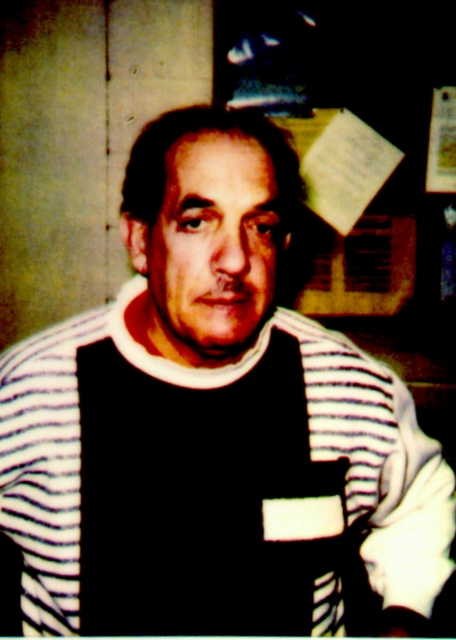
In the small community of Masardis, Maine, the life of 57-year-old Michael W. MacDonald came to a tragic and violent end on April 21, 2004. A U.S. Army veteran and former fire chief, he was a man known in his town. On that spring night, state troopers were called to his home on Route 11 for a well-being check after a concerned family friend raised an alarm. Inside, they discovered MacDonald deceased in his kitchen.
The search for a suspect was short-lived.
In the early hours of the following morning, his own son, 25-year-old Michael MacDonald Jr., turned himself into the Aroostook County Jail. The younger MacDonald, who had been living with his father intermittently, was subsequently charged with the murder. An autopsy would later reveal that the elder MacDonald had been shot and stabbed.
The case that unfolded was not one of a straightforward criminal conviction. MacDonald Jr. pleaded not criminally responsible by reason of insanity. He had a history of mental illness, specifically schizoaffective disorder, which had previously required hospitalization. He claimed that he had been experiencing paranoia, hallucinations, and was hearing voices that compelled him to commit the act. In 2005, the court found that he was not criminally responsible due to his mental disease.
Following the verdict, Michael MacDonald Jr. was committed to the Riverview Psychiatric Hospital in Augusta. He remained an inpatient for years, receiving treatment for his mental illness and substance abuse issues. By 2013, he had transitioned to outpatient treatment, living in a group home and later his own apartment under supervision. In November 2018, after medical professionals testified to his rehabilitation and transformation, a judge ordered his release from state custody without restrictions, a decision that was met with opposition and fear from some of his family members.