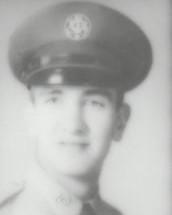
William H. Edwards, a 35-year-old White male deputy sheriff, was killed near Jackson, Wyoming, on July 15, 1969, after a violent crime spree that had begun days earlier in Texas and rolled across several states before ending at the Battle Mountain Lodge in Sublette County. The online sources do not support the name William Jackson for this death; instead, they consistently identify the victim as Deputy Sheriff William Edwards. By the time Edwards entered the picture, the suspects had already kidnapped Floy Chambers Sackett and her 12-year-old daughter in Pasadena, Texas, then forced them north in Sackett's car. Along the way, the kidnappers also traveled with 13-year-old Cathleen Callier and 14-year-old Larry Foster, and the ordeal grew more brutal with every mile. Court records say Sackett was robbed and raped, Cathleen was beaten, and during the trip the captors carved tic-tac-toe marks into her thigh with a knife. After moving through Texas, New Mexico, Colorado, Wyoming, and Idaho, the group returned to the Battle Mountain Lodge, where the violence that had been building in private finally exploded in public.
At the lodge, James Earl Arivette and his stepbrother Larry Foster turned the place into a trap. According to the Texas appellate opinion, they robbed the owners, held the people inside captive, and Arivette bragged that he had abducted a woman and her daughter at gunpoint and would kill everyone if he had to. Witnesses recalled his words as those of a man who did not expect to walk away alive. That same night, Cathleen Callier was shot multiple times by Foster, and after her body was taken outside, Arivette shot her in the head. When Wyoming officers closed in on the lodge, gunfire broke out during the hostage standoff. Edwards, assisting in the response, was fatally shot in that exchange. The killing came not as an isolated act, but as the grim final turn in a chain of kidnappings, sexual violence, robbery, threats, and murder that had been escalating since July 10.
As for suspects and arrests, the online record is clear that Arivette and Foster were the two central figures at the lodge, and that both were captured after surrendering to Wyoming officers. Arivette was later identified in Texas court records as the adult appellant in a separate prosecution arising from the same crime spree. Those records place him in custody in Wyoming by July 14, 1969, before he was later returned to Harris County, Texas, to face charges there. In Texas, he was convicted of robbery by assault and sentenced to 100 years in prison, and the conviction was upheld on appeal in 1974. The Officer Down Memorial Page also reports that the offender in Edwards's killing was sentenced to life. The sources I found do not clearly spell out a separate final court disposition for Foster in Edwards's death, so it would go beyond the record to claim more than his participation, surrender, and arrest at the scene. What remains in the documented story is the image of a law officer stepping into a hostage siege already soaked in fear and cruelty, only to become one more victim of it before the night was over.