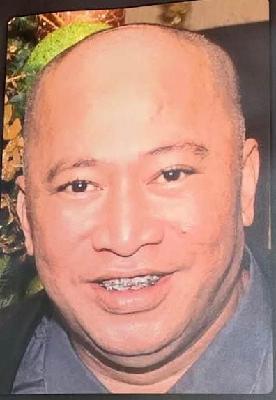
Keenyn Pahio, a 31-year-old Native Hawaiian man from Kalihi, spent the early hours of March 4, 2017, like so many other drivers on Oahu—moving through Aiea without expecting that an ordinary stretch of road would turn into the last place he would ever see. Investigators later described what happened next as a road-rage encounter between two motorists: an argument that escalated until both men stepped out of their vehicles along the roadway.
In the seconds that followed, witnesses told police the other driver pulled a gun, shot Pahio, and then got back behind the wheel and left the area.
Pahio was rushed to the hospital, but the wound was fatal. As his family struggled to understand how a traffic dispute could end in a killing, police began working outward from witness accounts—tracking the suspect’s route and description. Within a short distance of the scene, officers located a man they believed matched what witnesses had reported, and he was taken into custody on suspicion of murder. The case, at that moment, looked like a sudden eruption of violence: two drivers, a confrontation, a single shot, and a life gone.
Authorities later identified the arrested suspect as Darryl Freeman, a retired firefighter and former Honolulu Fire Department battalion chief. Prosecutors moved quickly, charging him with second-degree murder along with multiple firearms offenses, and bail was set at $2 million. Freeman’s attorney, Rustam Barbee, signaled early that the defense would focus on the moments before the trigger was pulled—saying he wanted to find witnesses who claimed Freeman had been assaulted first. Even at this stage, the outlines of the courtroom battle were clear: the state portraying a deadly overreaction to road rage, the defense leaning toward justification and disputed aggression.
As the case progressed, formal charges were laid out in court filings: a grand jury indictment alleging second-degree murder and several gun-related offenses, including violations tied to how a pistol was kept, prohibited firearm possession based on prior convictions, and using or carrying a firearm in the commission of a separate felony. Freeman entered a not-guilty plea and the matter moved toward trial. Court records also reflect that additional firearms were later found during a search of Freeman’s home, leading to a superseding indictment with extra counts; those additional counts were severed from the main case, and Freeman ultimately pleaded guilty to one of the added prohibited-possession charges as part of a plea agreement in which other added counts were dismissed.
A jury trial began on September 28, 2018, and on October 9, 2018, Freeman was found guilty as charged on the main counts. Sentencing followed on June 17, 2020: life imprisonment with the possibility of parole on the murder count, paired with a mandatory minimum term of 15 years, along with additional concurrent terms for the firearms convictions. Freeman appealed, raising multiple claims about how the trial was handled, but the Intermediate Court of Appeals affirmed the judgment. A later order shows the Hawai‘i Supreme Court rejected his request for further review. In the end, the legal record closed around what began as a roadside argument—an encounter that left Pahio dead and Freeman convicted and imprisoned for the shooting.