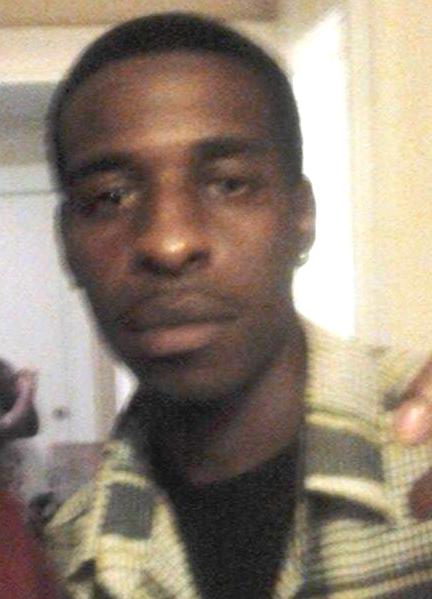
Jimmie Lee Jackson, a 26-year-old African American man, was a deacon in his Baptist church and a civil rights activist in Marion, Alabama. On the night of February 18, 1965, he participated in a peaceful protest march in his city. The march was organized to protest the arrest of a fellow civil rights worker. The demonstration was met with a violent response from Alabama State Troopers and local police, who began beating the unarmed marchers.
In the ensuing chaos, Jackson, along with his mother and 82-year-old grandfather, sought refuge in a local establishment called Mack's Café.
State troopers pursued the protesters into the café and continued their assault. When Jackson attempted to protect his mother from being beaten, he was first clubbed and then shot twice in the abdomen by a state trooper. The wounded Jackson managed to leave the café but was subjected to further blows by the police before he collapsed. He was eventually taken to a hospital in Selma, where he died eight days later, on February 26, 1965, from an infection caused by the gunshot wound.
For many years, no one was held accountable for Jackson's death. In September 1965, a grand jury declined to indict the trooper involved, who was identified at the time only by his surname. The case remained cold until 2005 when former Alabama State Trooper James Bonard Fowler admitted in a newspaper interview that he had shot Jackson, claiming it was in self-defense. Following this public admission, the case was reopened. In May 2007, 42 years after the shooting, Fowler was indicted on first and second-degree murder charges.
On November 15, 2010, James Bonard Fowler, then 77 years old, pleaded guilty to the lesser charge of manslaughter. He publicly apologized for killing Jackson but maintained that he had acted in self-defense, believing Jackson was trying to grab his gun. Fowler was sentenced to six months in jail. He was released from prison after serving five months due to health problems that required surgery.