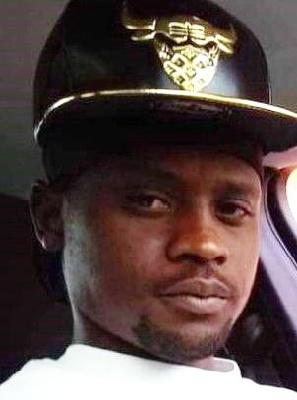
Tommy Jerome Grace, a 31-year-old Black man from Abbeville, Alabama, died on March 30, 2019, a death later memorialized online as a loss to gun violence and remembered publicly through funeral notices and community remembrances. In the scattered public record that remains easy to access online, his name surfaces first in the most human places: an obituary, a memorial page, the brief details of arrangements made for family and friends, and the note that he had attended Abbeville High School before his life was cut short.
What can still be pieced together from those online sources suggests a violent night in a small Alabama town. Public memorial entries identify Grace as having been lost to gun violence in Abbeville on the date of his death, and those same entries preserve the trail of contemporary local reporting that described the case as the killing of an Abbeville man during a fight, followed by a later police clarification as confusion spread around the shooting. Even in that limited record, the shape of the tragedy comes through clearly: whatever began that night escalated into deadly violence, and Grace never made it home from it.
Afterward, the public story seems to narrow rather than expand. The obituary notices focus on mourning and burial rather than the circumstances of the shooting, placing visitation and funeral services in the days that followed, back in Abbeville, where the loss would have been felt most sharply by the people who knew him best. The memorial record also preserves small fragments of personality and place, including comments from those who said they missed him and were still waiting for justice, a quiet sign that for the people closest to him, the case did not feel finished when the funeral ended.
As for arrests, suspects, charges, trials, or convictions, the accessible online sources I found do not show a clearly documented public resolution. I did not find a reliable, publicly indexed report naming a suspect in Grace’s death or confirming an arrest, prosecution, or conviction tied to his killing. What survives online points much more strongly to the fact of his death than to any completed path to accountability, leaving the case, at least in the easily available public record, with the feeling of a story that broke suddenly and then faded from view before the rest of the answers reached the same visibility.