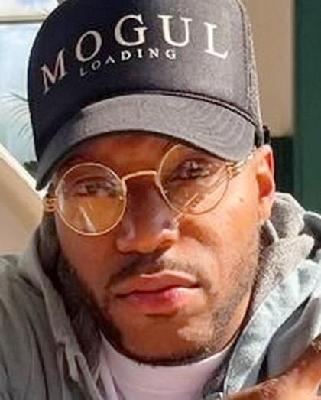
Gary Brown, a 25-year-old African-American male from Northwest Washington, carried the weight of a gunshot wound for nearly nine years before that old injury finally claimed his life and turned a long-ago crime into a present-day homicide.
His story began on the night of November 13, 2006, in the 1900 block of 18th Street SE, when gunfire shattered the quiet of the street. Around 9:30 p.m., Brown was one of three people struck by bullets, a sudden burst of violence that left him severely wounded while police converged on the scene in response to reports of shots fired. The others were treated and moved on with their lives, but for Brown the shooting became a defining event, sending him into a long struggle with the damage that had been done to his body.
In the years that followed, Brown lived not just with memories of that night but with its physical consequences.
According to later accounts summarizing the police investigation, he remained hospitalized because of complications from the injuries he had suffered in the 2006 attack, his life shaped by surgeries, medical setbacks, and the slow wear of a body never allowed to fully heal. What for many might have seemed like an old case was, for him and those close to him, an ongoing aftermath that never really ended.
On November 24, nearly a decade after the shooting, Brown died in the hospital from those complications. His death was not treated as an isolated medical event; instead, the District’s medical and law enforcement authorities formally tied it back to the bullets that struck him on 18th Street SE. The D.C. medical examiner ruled his death a homicide, and police publicly announced that a man shot in 2006 had succumbed to his injuries, effectively reopening the case in the eyes of the public and adding his name to the list of homicide victims for 2015.
Detectives renewed their appeal for information, describing how Brown had been wounded in the original three-victim shooting and asking anyone who knew who had opened fire that night to come forward. Police gave out their homicide tip line and encouraged anonymous calls through D.C.’s crime-reporting channels, while case summaries emphasized that investigators were still looking for answers. Over the years that followed, nonprofit trackers and case-compilation sites continued to list Brown’s death as an unsolved homicide, noting that no one had been publicly identified, arrested, or charged in connection with the shooting that ultimately killed him. As of recent updates, the investigation remains open, the questions about who pulled the trigger on that 2006 night still hanging over the block where Brown was first struck and over the city that counts him among its unavenged dead.