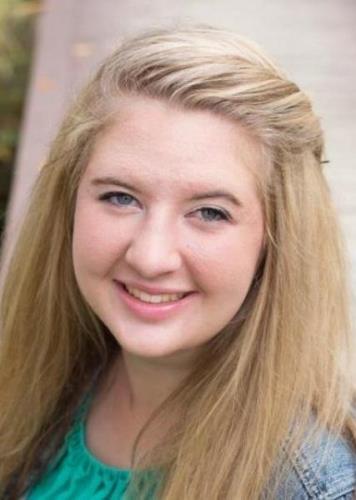
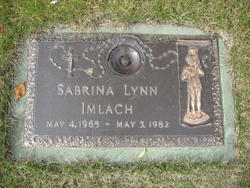
On May 3, 1982, Rebecca Dawn “Becca” Phillips—a white 16-year-old female from Anchorage, Alaska—set out with friends for a spring evening in East Anchorage's Russian Jack Springs Park. Sometime around nightfall, the quiet paths and open spaces turned perilous. Gunfire erupted in the north end of the park, and by the time police arrived, four teenagers lay dead: Rebecca Dawn “Becca” Phillips another teenage girl, and two 19-year-old young men.
The scene was described by investigators as among the grisliest they had encountered, a sudden burst of violence that shattered a city already unsettled by other fatal shootings the same night.
Within days, detectives focused on a man whose name Anchorage residents knew from earlier headlines: Charles Louman Meach III. A longtime psychiatric patient with a violent past, Meach had been living under supervision and, according to later accounts, had procured a. 38-caliber revolver and moved through the park that evening. Investigators linked him to the Russian Jack Springs killings, and he was taken into custody on May 6, 1982. Early reporting described the victims walking in or near the park's wooded stretch; later reconstructions recounted that the teens crossed paths with Meach and were shot at close range. In the chaotic hours after the murders, the city learned that four lives—among them Rebecca Dawn “Becca” Phillips, female, 16—had been extinguished with no warning.
The arrests gave way to a legal battle that reopened old wounds. Years earlier, Meach had been found not guilty by reason of insanity in an unrelated 1973 homicide and committed to psychiatric care. After the 1982 Anchorage murders, he again raised mental illness in his defense. The public outcry over Rebecca's killing and the others helped spur Alaska lawmakers to narrow the insanity defense and to adopt a “guilty but mentally ill” verdict in mid-1982—changes that reshaped how the state handled defendants with serious mental illness. Although those reforms did not apply retroactively to his case, they framed the courtroom drama that followed.
In 1983, a judge imposed four consecutive 99-year terms—a cumulative 396-year sentence—after a jury rejected Meach's bid to be acquitted by reason of insanity. The severity of the punishment was widely noted as the longest in Alaska at the time. For Rebecca Dawn “Becca” Phillips the legal conclusion could not undo the loss, but it did ensure that the man authorities identified as her killer would never leave custody.
Rebecca's family and the Anchorage community mourned her in the days after the shooting. A funeral notice for Rebecca Dawn Phillips ran that week, marking a life cut short and anchoring her memory in the city where she was born and buried. Today, Russian Jack Springs Park is still remembered as the place where four teenagers died, and where the death of Rebecca Dawn “Becca” Phillips helped drive a reckoning over mental illness and criminal responsibility in Alaska.
Authorities arrested one suspect—Charles Louman Meach III—and no other suspects were publicly identified. Meach's conviction and 396-year sentence stand as the official resolution of the case surrounding the death of Rebecca Dawn “Becca” Phillips.