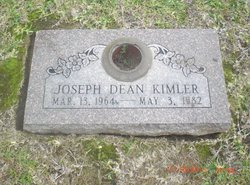
On the night of May 3, 1982, in Anchorage, Alaska, white male, Joseph Dean Kimler, age 19, was with friends in Russian Jack Springs Park when a stranger moved through their campsite area and violence erupted. Within the trees and paths on the park's north end, the group—Joseph Dean Kimler, age 19; Vern Sylvester, age 19; Sabrina Imlach, age 16; and Rebecca Phillips, age 16—was gunned down, the attack leaving four teenagers dead and the city reeling. The killings unfolded during what one veteran officer called one of Anchorage's grisliest nights, as seven people died in separate shootings within roughly an hour.
Investigators quickly traced the park murders to Charles Louman Meach III, a man who, according to contemporaneous and retrospective accounts, had been on work release from the Alaska Psychiatric Institute. Accounts describe Meach rifling a tent or belongings and then opening fire when discovered, turning a spring evening into catastrophe. In the immediate aftermath, the city searched for answers amid shock and fear, while detectives worked the twin scenes—the Black Bull bar murders and the Russian Jack Springs killings—to determine whether the violence was connected. It was not.
Arrest followed swiftly. Records indicate that Charles L. Meach was apprehended on May 6, 1982, and, when confronted, confessed to the killings. He was later tried and convicted on four counts of first-degree murder. In April 1983, a court imposed what was then the longest sentence in Alaska's history: 396 years, effectively ensuring he would never be released.
The story of Joseph Dean Kimler, age 19, male, did not end at the courtroom door. The case helped fuel public debate and legislative change in Alaska around the insanity defense and the handling of defendants with serious mental illness. Meach—who years earlier had been found not guilty by reason of insanity in a separate homicide—became a grim touchstone in that discussion. He died in custody in 2004, but the memory of the four teenagers killed in Russian Jack Springs Park on May 3, 1982, endures in Anchorage's collective memory and in public records dedicated to those lost to gun violence.