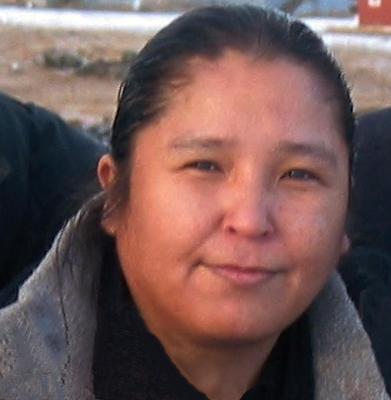
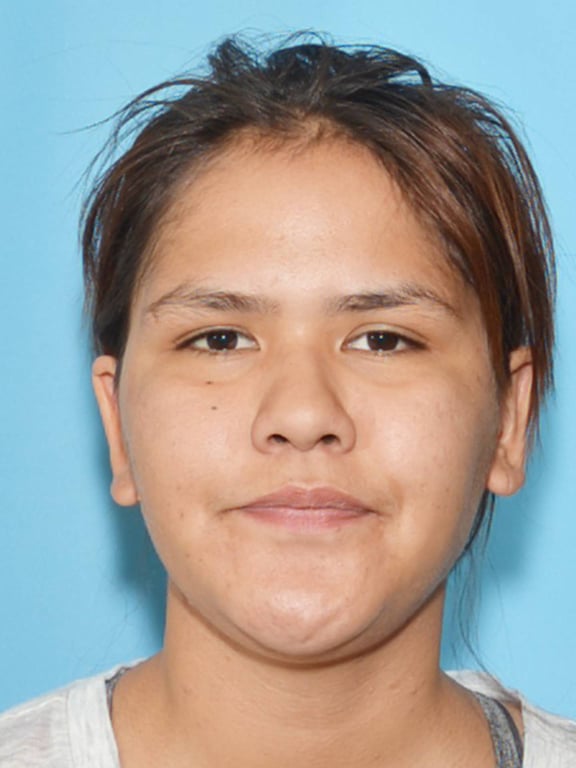
Mae Irene Melovidov, 47, a woman from the predominantly Alaska Native Unangan community of St. Paul Island, was living in Anchorage when March 10, 2014, set like any other cold evening along the brush near Karluk Street and East 5th Avenue. She and 55-year-old Robert Workman had settled into a tent with a third person as daylight thinned. By the next day, police would formally identify the victims and notify their families, noting that Mae was originally from Saint Paul Island while Robert
hailed from Shageluk.
Just after 6 p.m., a lone man walked up to the small campsite, pulled open the tent flap, and fired several shots into the close quarters. Robert Workman died there at the scene. Mae, age 47, was rushed to a local hospital with life-threatening wounds and died a few hours later. The third camper suffered critical injuries but survived the attack. What had been a patch of quiet ground became a crime scene under the glow of patrol lights, the tent ripped open where the gunman had stood.
The shooter fled on foot into the city's evening, leaving behind no name. In the days that followed, detectives appealed for help, and Crime Stoppers later summarized the chilling brevity of the ambush: a single male, a tent door yanked wide, several shots, two lives taken. Years later, police would again point back to that unsolved attack when discussing new violence near Anchorage's encampments, underscoring that no arrests had been made and the case remained open. Mae Melovidov, female, 47, was one of those names—carried forward in bulletins, obituaries, and a cold case file that still waits on a tip strong enough to give shape to the faceless suspect.