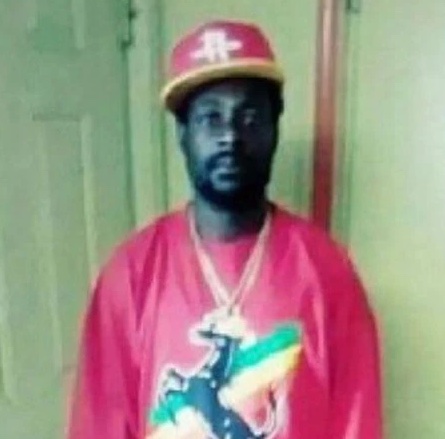
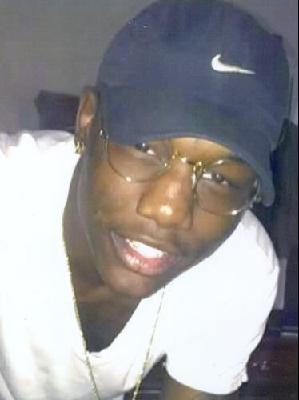
In a story that stretches over three decades, the life of 49-year-old Erving Karland Gray of Birmingham, Alabama, came to a tragic end on August 6, 2024, a consequence of a violent act committed when he was just a teenager. On that Tuesday morning, around 7:00 a.m., police and fire departments responded to a call at a residence on Second Street North, where they found Mr. Gray unresponsive.
He was pronounced dead at the scene.
The subsequent autopsy by the Jefferson County Medical Examiner's Office revealed a story of delayed tragedy. Mr. Gray's death was attributed to a severe seizure, a direct result of a gunshot wound he sustained to the head on September 15, 1992. At the age of 17, he was shot multiple times, an event that would cast a long shadow over the remaining 32 years of his life. In the wake of the autopsy's findings, his death was officially classified as a homicide, marking another grim statistic for the city of Birmingham.
Following the 1992 shooting, a suspect was arrested and charged with attempted murder. However, the path to justice took an unexpected turn as the individual responsible for the shooting passed away in 1997. Despite the death of the suspect, the classification of Mr. Gray's death as a homicide stands as a testament to the long-lasting and fatal consequences of the violence he endured. His family, particularly his mother, Josephine Cunningham, provided unwavering support throughout his daily struggles with the long-term health complications stemming from his injuries. A funeral service was held to honor his life and memory on August 17, 2024, at Faith Memorial Chapel in Bessemer.