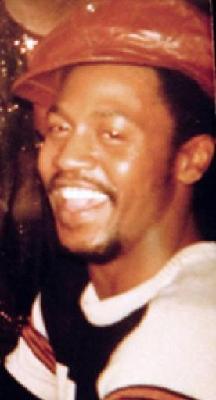
Ala Mahmoud, a 40-year-old White man, was killed on the morning of December 10, 2017, while working at a neighborhood convenience store near North 38th Street and West North Avenue on Milwaukee’s west side. Mahmoud, who was widely known in the neighborhood by the nickname “Polo,” had worked at the store for years and had developed close relationships with many of its customers. Milwaukee police were called to the business at approximately 9:40 a.m.
after the shooting, and Mahmoud was pronounced dead at the scene. His wife, Katherine Mahmoud, said he had been shot in the head. Investigators said robbery was being considered as a possible motive for the killing.
The shooting stunned people who regularly visited the store. Friends and customers described Mahmoud as someone who treated people in the neighborhood like family and was known for helping customers who were short on money. One longtime customer said Mahmoud would sometimes reopen or remain available for people arriving around closing time. Others recalled that he had been part of the neighborhood for many years and was not known to have conflicts with people there. By the evening of the shooting, community members had created a memorial outside the store, and a vigil was held as relatives, friends and customers struggled to understand why someone so familiar to the neighborhood had been killed.
Mahmoud had been married to Katherine for more than two decades. At the time of his death, the couple had an older daughter and a young son, and Katherine was pregnant with another child. His death therefore left the family grieving not only the sudden loss of a husband and father, but also the knowledge that he would never meet the child his wife was expecting. Katherine immediately began publicly pressing for whoever was responsible to be identified and arrested.
Police obtained surveillance footage connected to the store and surrounding area and examined it as they attempted to determine what happened and identify the shooter. Early reports did not identify a named suspect, and authorities described themselves as searching for the person or persons responsible. Katherine expressed hope that someone would recognize the individual captured on surveillance even if the person had attempted to conceal their identity. No arrest was reported during the initial investigation.
Within hours of the homicide, Mahmoud’s family announced a $50,000 reward for information leading to an arrest. The reward reflected how urgently the family wanted someone with knowledge of the shooting to come forward. Milwaukee officials also publicly appealed for information, with Alderman Russell W. Stamper II describing the killing as a tragedy for the community and confirming that police were investigating robbery as a potential motive. At that stage, investigators had not publicly announced the identity of a suspect or disclosed evidence establishing who had carried out the shooting.
The search for answers continued well beyond the days immediately following the murder. More than a year later, Katherine Carter-Mahmoud dramatically increased the privately offered reward to $200,000 for information that could lead investigators to the killer. She said she remained determined to find the person responsible and described the passage of time as making the loss more difficult rather than easier. Police declined at that time to discuss details of the continuing investigation, with a detective indicating that releasing information could compromise the case. The homicide was described in that later report as a cold case, and Mahmoud’s killer remained at large.
The most recent reliable online reporting located for the case does not document the arrest or charging of a suspect in Mahmoud’s murder. No reported trial or conviction connected to the killing was found. The publicly available record therefore leaves the case unresolved, with investigators having considered an apparent robbery as a possible motive and possessing surveillance evidence, but without a publicly identified offender or reported prosecution. Mahmoud’s family and the Milwaukee community were left waiting for the information that could finally identify who entered the store that December morning and ended his life.