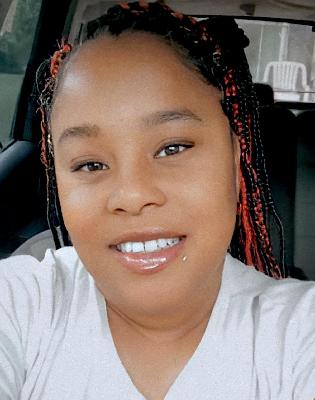
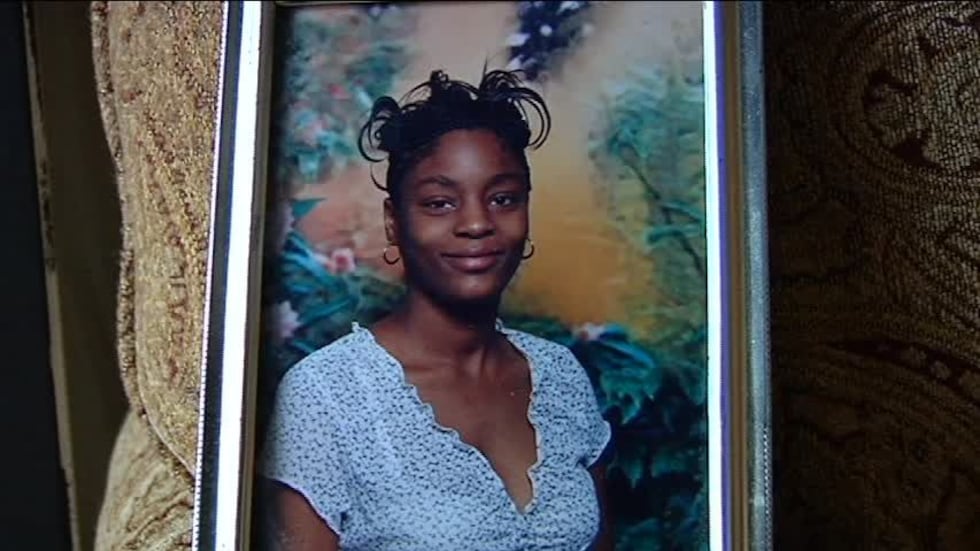
Patsy Cathey was from Memphis, Tennessee, and the day she died, August 11, 2015, became one of those dates that divides a family’s history into before and after. She was a 32-year-old Black woman, and the way her name appears in public records and brief notices feels like a shadow of the full person she must have been—reduced to a line of text, a date, a few formal arrangements, and then the heavy finality of loss.
For the people who loved her, her death would not have arrived as a
simple fact on a page. It would have arrived as phone calls, disbelief, and that stunned, hollow quiet that fills a room when someone realizes nothing will ever be the same again. Even when grief is expected, it still feels impossible. And when a death is not just a tragedy but a homicide, there is an added layer of fear and anger—an ache that comes from knowing the end was not natural, not gentle, not deserved.
What can be said with certainty from what has been shared is painfully limited, but the implications are enormous. Patsy’s death is described publicly as a murder, a word that carries more than violence; it carries interruption. It suggests a life cut off mid-sentence, plans left unfinished, and the kind of absence that spreads outward—through family, friends, neighbors, coworkers—until it becomes part of the landscape of everyone who knew her.
In the aftermath, there were the rituals that families cling to when the world feels unsteady: gatherings, visitations, funerals, the careful work of putting together a final goodbye. Those moments can be both comforting and cruel—comforting because they surround you with love, cruel because each small decision, each detail, confirms the reality that the person at the center of it all cannot return.
And then, after the services are over and people go back to their routines, the real endurance begins. Families of homicide victims often describe time as something that changes shape. Days drag, months blur, anniversaries strike like lightning, and the question that never truly rests is the simplest one: why. When answers don’t come, grief doesn’t get to settle into a familiar place. It stays jagged, always catching.
As things stand in the information provided, there are no publicly named suspects tied to Patsy Cathey’s killing, and there is no public record included here of arrests, charges, trials, or convictions. That absence can feel like a second wound—because it means the story has no ending anyone can live with, only an open door where the truth should be. It leaves space for rumors, for worries, for the gnawing sense that justice is somewhere out there but not yet within reach.
Patsy’s name still matters, even when the details are scarce. A person is never the sum of what happened at the end. She was more than a case, more than a date, more than a classification. She was someone’s daughter, someone’s family, someone remembered in a thousand private moments that will never appear in any public listing: the sound of her voice, the way she laughed, the way she moved through a room, the small kindnesses and sharp opinions and ordinary routines that made her uniquely herself.
For those who carry her memory, the passage of time does not erase what was taken; it only changes the way it is carried. The hope, even years later, is that the truth can still surface—through persistence, through a tip, through a breakthrough that finally gives her loved ones what they have been denied: an answer that holds, a name that fits, and a measure of accountability for the life that was stolen.