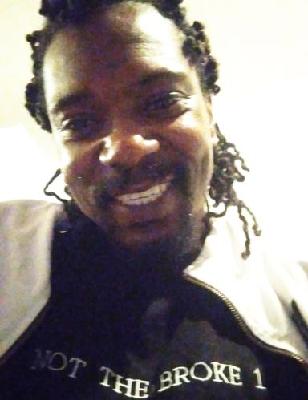
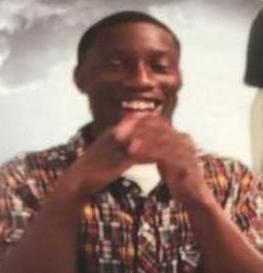
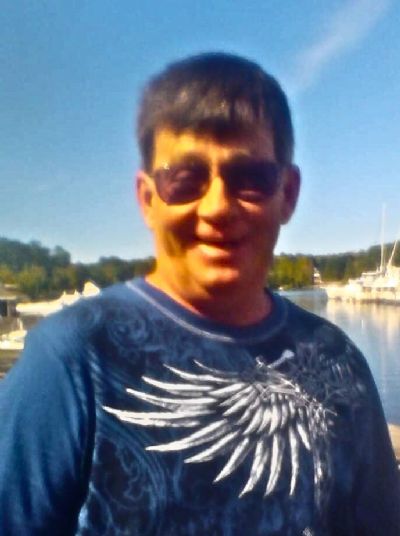
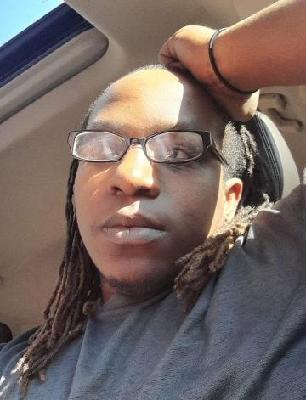
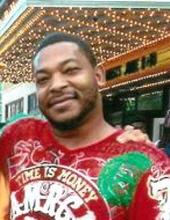
On a warm Sunday evening in the early autumn of 2016, the life of Larry Jr. Hines, a 29-year-old Black man known to some as "Pooh," was brought to a violent and sudden end. Remembered as a son, relative, and friend, his death left a void in the lives of his loved ones and a lingering sense of injustice in his community. He was a resident of the Frayser neighborhood in Memphis, Tennessee, a community that would become the backdrop for a tragedy that remains unsolved.
The fatal incident occurred on September 11, 2016. Just before 7:30 p.m., Memphis Police Department officers were dispatched to the 1800 block of Whitney Avenue in Frayser following reports of a shooting. When they arrived at the residential street, they found Hines suffering from a gunshot wound. Medical assistance was rendered, but the injury was too severe, and he was pronounced dead at the scene. The shooting marked the 157th homicide in the city of Memphis that year, a grim statistic that now included a young man whose full story was known best by those who loved him.
In the immediate aftermath, investigators began the difficult work of piecing together the events that led to the shooting. They canvassed the area for witnesses and evidence, but details were scarce. The Memphis Police Department confirmed they had not identified a motive for the killing, nor had they publicly named any persons of interest or suspects. The lack of immediate leads was a painful reality for a family desperate for answers. The investigation into who shot Larry Hines Jr. and why was launched, but the case quickly grew cold, with no arrests made in the days, weeks, or years that followed.
While official information about the investigation stalled, Hines's family refused to let his memory fade or for his case to be forgotten. In the year after his death, they made public appeals for anyone with information to come forward and worked to raise awareness and reward money for tips that could lead to an arrest. These efforts painted a picture of a young man who was deeply loved and whose absence created an ongoing sense of loss. Though no formal obituary has been located in public records, memorial pages show that he attended Trezevant High School and worked at McDonald's. He was remembered by friends as being "full of love and life" and an "all around joy."
The Frayser neighborhood, where Hines lived and died, is a large community in North Memphis with a long history. Like many urban areas, it has faced its share of economic challenges and crime, but it is also home to generations of families who are deeply rooted in the community. The violence that claimed Hines's life was not an isolated incident for the city, but for his family, it was a singular, life-altering event. Their public pleas for help underscored a private grief that had become a search for public justice.
As of today, the murder of Larry Jr. Hines remains unsolved. The Memphis Police Department has not announced any significant breaks in the case, and no one has been held accountable for his death. The passage of time has not diminished the family's hope for answers or the community's memory of a life cut short. The case stands as a quiet but persistent question, waiting for a piece of information that might finally bring closure. Anyone with information regarding the shooting is asked to call Crime Stoppers at (901) 528-CASH.