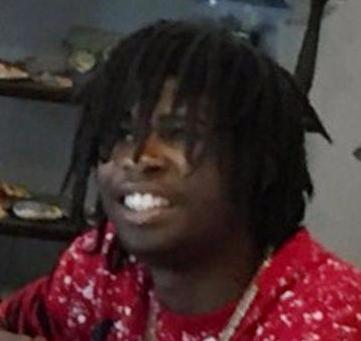
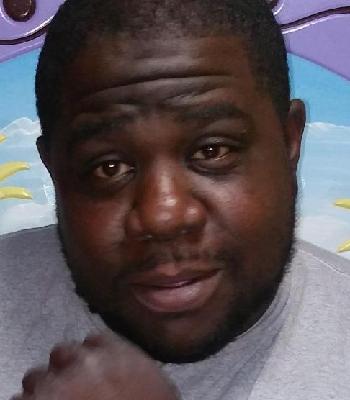
H. B. Woods Jr. was a 59-year-old man from Memphis, Tennessee, whose death on December 4, 2017, marked a quiet but devastating fracture in the life of his family and community. Public records list him simply and starkly: his name, his city, his age, and the date he passed, with funeral arrangements handled by a local Memphis chapel and a brief obituary published in the newspaper. Behind those few printed lines, however, was a life that ended not through illness or accident, but as the result of a killing that authorities classified as murder, placing his name among the city’s unsolved homicide cases.
In the years since his death, Woods’s case has appeared on cold case listings, where it is noted that he was killed and that the Memphis Police Department is the investigating agency. These entries do not offer the kind of detail that often accompanies high-profile crimes—there are no publicly available descriptions of a crime scene, no mention of a weapon, no outline of a final confrontation or an argument that escalated. Instead, the case is summarized in a few lines: his name, his age, the fact that his death is a murder, and the reminder that his file still sits open somewhere in police archives, waiting for new information.
Because official statements and news coverage are so limited, the public record of what happened to Woods is defined as much by what is missing as by what is known. There are no documented suspects named in open sources, no public announcements of arrests or charges tied to his killing, and no reporting on a trial or conviction connected to his case. The continued presence of his name on cold case rosters, years after his death, indicates that investigators have yet to identify or successfully prosecute anyone responsible. For his family and for Memphis as a whole, that silence means the story of his death is still unfinished, hanging in the space between a brief obituary and an unanswered question about who took his life and why.