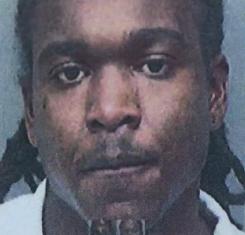
On March 15, 2009, Nicholas Haniotakis, a 33-year-old man, was shot and killed by police officers following a high-speed pursuit in Pittsburgh's South Side neighborhood. The incident began around 1:32 a.m. when a Pittsburgh police officer and a state trooper on a joint DUI patrol spotted Haniotakis' vehicle—a 2000 Oldsmobile Bravada with an Ohio license plate—driving the wrong way on 13th Street with a broken headlight.
When officers attempted to pull him over by activating their emergency lights, Haniotakis sped off, reversing down the street at high speed.
The pursuit escalated as Haniotakis collided with a parked vehicle at the intersection of Wharton and 22nd streets. When the officers approached his SUV on foot, they ordered him to show his hands. Instead, Haniotakis put the vehicle in reverse, narrowly missing the officers and hitting a police cruiser. Both officers then fired into the SUV as it sped away. Haniotakis' vehicle ultimately crashed into a utility pole, and he was transported to UPMC Mercy Hospital, where he was pronounced dead at 2:07 a.m.
The officers involved in the shooting were placed on administrative leave, as per standard procedures following an officer-involved shooting. Nicholas Haniotakis had a history of prior confrontations with law enforcement, including a 2005 incident in which he struck a Mt. Oliver police officer with his vehicle and led police on a chase, resulting in several charges and a jail sentence. This prior history played a part in understanding his actions during the fatal encounter.
The family of Nicholas Haniotakis subsequently filed a civil lawsuit against the state trooper involved in the shooting, alleging wrongful death. The case eventually led to a proposed settlement between the family, the city, and the state, highlighting the complexity of the circumstances surrounding his death and the challenges of addressing such incidents through legal proceedings. The fatal shooting remains a significant case among Pittsburgh's officer-involved incidents of that year, contributing to broader conversations about police conduct and accountability in high-pressure situations.
The case underscores ongoing concerns about police use of force, especially during car chases and other high-risk interventions, raising questions about the protocols that should be in place to ensure both public safety and appropriate actions by law enforcement personnel.