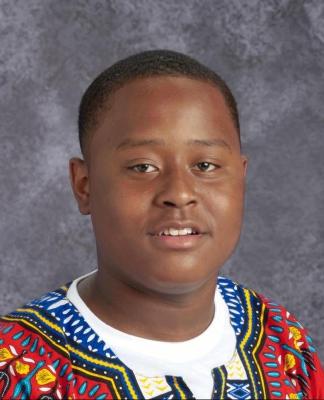
Stacey Lee Blahnik, also identified in police reports as Michael Lee, was a 31-year-old Black transgender woman from Philadelphia whose life ended violently inside her Point Breeze home on Monday, October 11, 2010. She was known in Philadelphia’s ballroom and LGBTQ community as Mother Stacey Blahnik, a respected house mother in the House of Blahnik, and people who knew her described her as beautiful, friendly, quiet, and deeply connected to the people around her.
Her body was found
that Monday night inside the home she shared with her boyfriend on the 1800 block of Manton Street in South Philadelphia. Her boyfriend, Malik Moorer, discovered her in a second-floor rear bedroom and called 911. Early reporting described her as partially dressed and found face down. Police later determined that her death was a homicide caused by strangulation and asphyxiation.
Investigators did not report signs of forced entry, which led people close to the case to wonder whether Stacey may have known or trusted the person who killed her. Her boyfriend said he believed the killer was likely someone familiar to her. Police said he cooperated with the investigation, and authorities publicly stated that they did not consider him a suspect. Moorer later spoke about the trauma of finding her body and the pain of losing someone he described as both his best friend and his lover.
In the days after Stacey’s death, detectives searched for a motive but said they did not have enough evidence to classify the killing as a hate crime. Homicide investigators also gathered information from neighbors and others in the area. Some neighbors reportedly told police they had seen men coming and going from Stacey’s home when her boyfriend was away, including men arriving in expensive cars, but no one was publicly identified as a suspect.
The case quickly became a painful mystery for Stacey’s loved ones and for the broader community that remembered her as a mother figure and a source of support. Friends, family, and members of the ballroom community mourned her death and created online memorials in her honor. Her killing also became part of a larger conversation about violence against transgender women, especially transgender women of color, and about how difficult it can be for families and communities to get answers in those cases.
No public record located from available online reporting shows that an arrest was made in Stacey Lee Blahnik’s killing. No suspect has been publicly named, and no charges, trial, or conviction have been reported in connection with her death. The case remained described in later coverage as unsolved, with investigators and loved ones continuing to ask anyone with information to contact Philadelphia police.