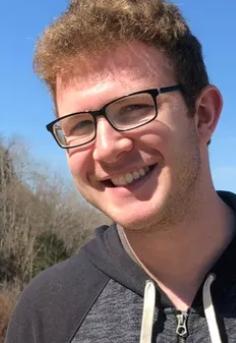
On March 8, 2012, Michael Schaab, a 25-year-old male, was tragically killed in a shooting at the Western Psychiatric Institute and Clinic in Pittsburgh, Pennsylvania, where he worked as a therapist. Schaab was returning from his lunch break and was in the lobby of the building when a gunman, identified as 30-year-old John Shick, entered and opened fire.
Schaab was in the midst of a phone call with his mother, discussing his upcoming wedding, when the line suddenly went dead.
At the time of his death, Michael Schaab was building a life full of promise. He was a graduate of the University of Pittsburgh and had recently been accepted into a master's program for occupational therapy. He was engaged to be married the following March to his fiancée, whom he had met at work. Friends and family described him as a kind and selfless person who was dedicated to helping others, which is what led him to change his career path from business to therapy. He was beloved by his colleagues and the geriatric patients he cared for.
The gunman, John Shick, was armed with two firearms and shot seven people in total. Michael Schaab was the only fatality. The other victims, who were UPMC employees and a visitor, were wounded but survived. University of Pittsburgh police responded to the scene and shot and killed Shick, ending the rampage. Because the sole suspect was killed, there were no arrests or a trial.
For the Schaab family, Michael's death was the second time they had lost a child to a violent act. In October 2010, their daughter, Nancy Schaab, was shot and killed by her boyfriend. The profound grief of losing both of their children was a central theme in the aftermath of the shooting. In March 2014, Michael's mother, Mary Schaab, filed a lawsuit against several entities, including the University of Pittsburgh, UPMC, the security company for the clinic, and the estate of the gunman and his mother. The lawsuit alleged that more should have been done to provide security at the facility and that the shooter, who had a history of mental health issues, should have been involuntarily committed.