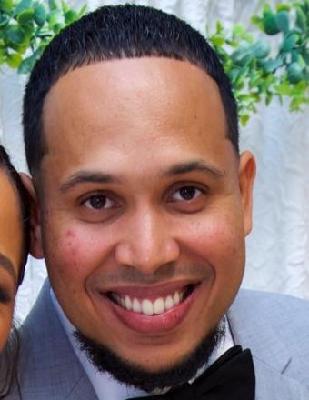
The homicide of Joey Jr. Smith, aged 35, took place in Philadelphia on October 6, 2014. The incident occurred during a period when Philadelphia's homicide rate had seen fluctuations, with the city experiencing both increases and reductions in violent crime during that decade. In 2014, Philadelphia recorded a significant number of homicides, many of which were attributed to gun violence, disputes, and retaliation. During that time, the overall approach to addressing violence in the city was shifting, influenced by changing leadership and crime prevention strategies. Arguments accounted for nearly 43% of all homicides that year, and a large majority of them were committed using firearms, reflecting ongoing challenges with gun violence in the city.
Joey Smith's case occurred amidst a wider trend of violent incidents in Philadelphia, where shootings were a leading cause of death in many homicides. In 2014, the city's police department had been working on initiatives aimed at curbing violence, including increased foot patrols and community policing efforts, but these initiatives faced mixed success. The homicide of Joey Jr. Smith mirrored the broader pattern of shootings and homicides that often occurred outside during late evening hours. In 2014, the city noted that about 74% of homicides occurred outdoors, and almost 36% of them happened between 8 PM and midnight.
In the years surrounding Smith's death, Philadelphia had seen shifts in public safety policies, including a controversial stop-and-frisk policy, which aimed to deter illegal gun carrying. These policies were intended to reduce street violence, though they often faced backlash for their implementation and alleged racial profiling. The city's leadership and changes in public safety policies were crucial in addressing the rise and fall of homicides during these years. However, the lack of continuity in policy implementation often led to mixed outcomes in crime reduction efforts.
Joey Jr. Smith’s death is a reminder of the complex and enduring issue of gun violence in Philadelphia, which has persisted despite various policing strategies and community interventions. His homicide was one of the many that highlighted the broader struggle the city faced in trying to balance enforcement with community engagement to achieve lasting public safety.