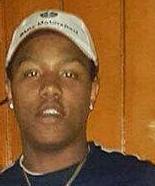
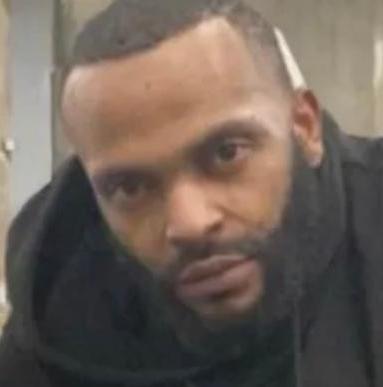
Rafiq Jamison, aged 21, was fatally shot on July 16, 2012, in Philadelphia, Pennsylvania. His death was part of a surge in gun violence across the city that year, with firearms involved in the overwhelming majority of homicides. Rafiq was killed outside, reflecting a common pattern of street-level shootings that plagued Philadelphia. These incidents were especially concentrated in economically disadvantaged neighborhoods, where systemic issues of poverty and lack of opportunity left young men
particularly susceptible to violent outcomes.
In 2012, Philadelphia saw 284 gun-related homicides out of a total of 331, illustrating the extent to which firearms dominated the violence in the city. Many of these homicides, including that of Rafiq Jamison, appeared to be linked to personal disputes or acts of retaliation, which were responsible for nearly half of the city’s murders during that period. Such types of violence were pervasive in neighborhoods that faced chronic underinvestment and high rates of unemployment, making young individuals, like Rafiq, tragically vulnerable to being caught in cycles of violence.
The Philadelphia police struggled to manage the rising number of homicides effectively, with the clearance rates for solving these cases remaining low. Contributing factors included community mistrust in law enforcement and the sheer volume of violent crime that overwhelmed the resources of the police force. The case of Rafiq Jamison underscores the challenges faced by both law enforcement and community members in reversing the tide of violence and ensuring justice for victims. His death remains emblematic of the broader issues that Philadelphia continues to grapple with—issues of safety, justice, and a lack of trust between residents and the authorities intended to protect them.