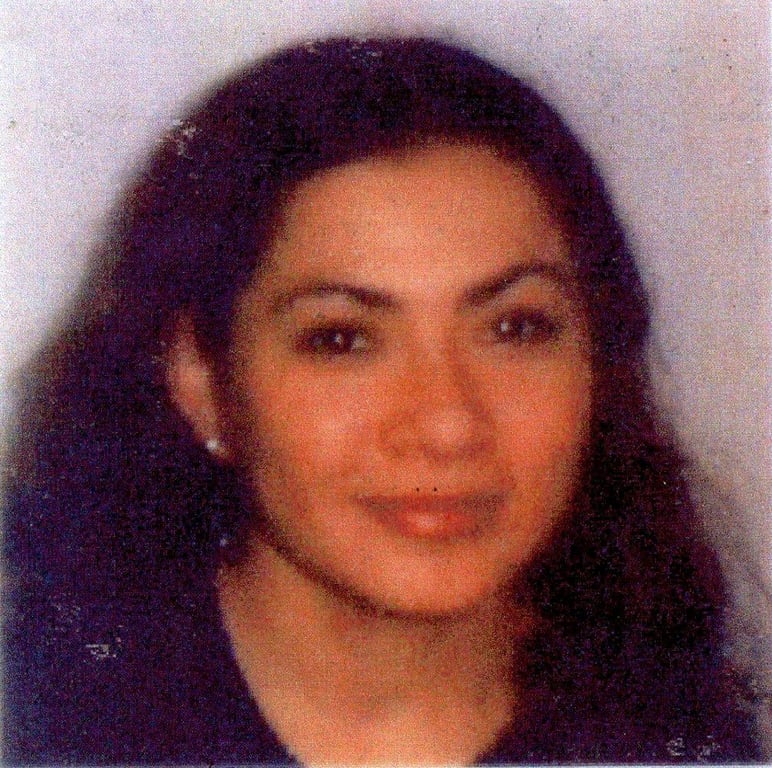
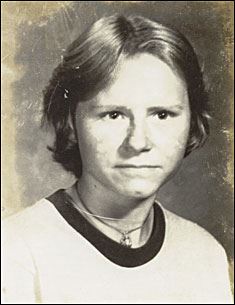
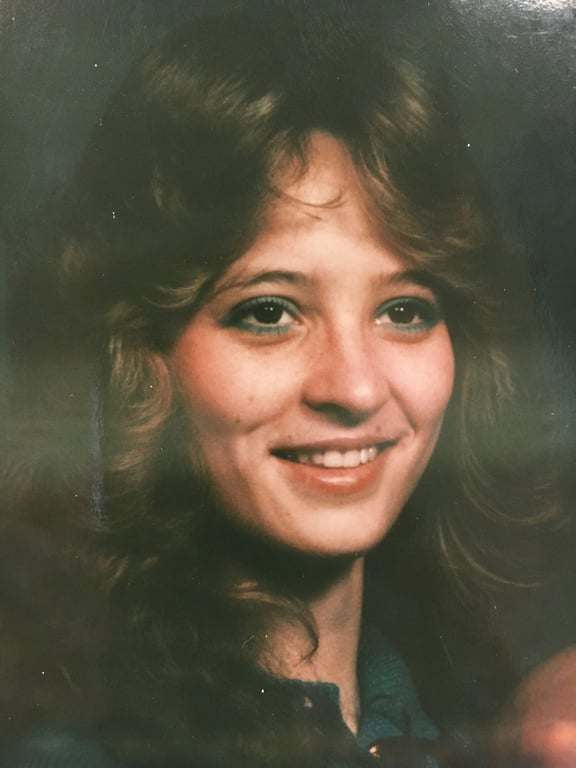
Do you know who murdered Janet? Janet Lynn Shanahan was a 22-year-old White/Caucasian woman living in Eugene, Oregon, when she was killed in April 1969. She had been married to Christopher John Shanahan for about ten months and was attending the University of Oregon during the spring term, studying with the goal of becoming a teacher. On the evening of April 21, she attended a birthday gathering for her 15-year-old brother at her family’s home on Rutledge Street in west Eugene.
Her husband did not accompany her to the celebration. According to accounts later provided to investigators, Janet never returned to the couple’s apartment near the university campus.
When Janet still had not returned, she was reported missing the following day. Her whereabouts after leaving the family gathering became one of the central mysteries of the investigation. Authorities ultimately placed the window of the homicide sometime between approximately 11:30 p.m. on April 21 and 6 a.m. on April 23, 1969. What happened to Janet during those hours, who she encountered, and exactly where she was attacked have never been conclusively established.
On the morning of April 23, Christopher Shanahan contacted Janet’s sister and asked her to accompany him while they searched for Janet and her 1951 Plymouth. They had reportedly been searching for only about ten minutes when Christopher spotted the Plymouth partially off the roadway in a ditch on Cross Street near Roosevelt Boulevard and Maple Street. At the time, the surrounding area was largely industrial. Christopher approached the vehicle and opened its trunk. Janet’s body was inside.
The investigation determined that Janet had been sexually assaulted and strangled. Police have identified strangulation as her cause of death, and the location where her automobile was abandoned became a major focus of the homicide investigation. The circumstances suggested that whoever killed her had either gained access to her vehicle or had been with her before the car was left in the industrial area. Despite an extensive investigation, detectives were unable to develop evidence sufficient to charge anyone with her murder.
Investigators interviewed and later re-interviewed numerous people who had known Janet, including relatives, friends, acquaintances and others connected to her life. Historical reporting indicates that detectives also investigated accounts from witnesses who thought they might have seen Janet after she had left her family. One report involved a waitress who believed Janet had been at a Highway 99-area cafe later that night with other people, including a man. Those accounts were investigated but did not produce the evidence necessary to identify her killer.
Attention also fell on Christopher Shanahan during different stages of the investigation. In the 1990s, Eugene police revisited the case and attempted to interview him again. Detective Les Rainey publicly said at the time that investigators had concerns and suspicions regarding Christopher, while emphasizing that police were also interested in information that could eliminate him from consideration. Janet’s mother publicly defended her son-in-law and said she did not believe he could have killed her daughter. Christopher Shanahan was never arrested or charged in connection with Janet’s death, and authorities have never publicly identified him as the person responsible.
Because Janet was strangled during a period when other young women in Oregon were being murdered, investigators also examined whether her killing could have been connected to other crimes. Some of those other deaths were eventually attributed to serial killer Jerry Brudos. No evidence, however, resulted in Brudos being charged with Janet’s murder, and her case remained separate and unresolved.
Decades of additional investigative work have not resulted in an arrest. Eugene cold-case investigators have said that, after reviewing the original investigation and subsequent follow-up work, they believe Janet was most likely killed by someone who knew her. That assessment has remained important because it points away from the idea of a completely random encounter, although police have not publicly named a current suspect or disclosed evidence strong enough to establish who that person may have been.
The age of the case has created significant obstacles. Investigators have said there is no usable biological or DNA evidence available for modern forensic testing, leaving them heavily dependent upon surviving witnesses, old investigative records and information from people who may have kept silent for decades. As witnesses have aged and memories have faded, solving the homicide has become increasingly difficult.
In 2022, Janet’s family and friends offered a $45,000 reward for information leading to the identification, arrest and conviction of her killer. Eugene police renewed public attention to the case, describing it as one of the department’s oldest unsolved homicides and asking anyone with information to come forward. Investigators expressed particular urgency because more than half a century had passed and both witnesses and the person responsible could be nearing the ends of their lives.
No arrest, criminal charge, trial or conviction has been reported in Janet Lynn Shanahan’s homicide. Her killing remains an open cold case, with Eugene investigators continuing to seek the information that can explain what happened after she left her family that April night and identify the person who sexually assaulted and strangled her before leaving her body concealed in the trunk of her own car.