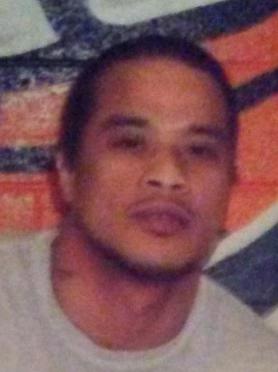
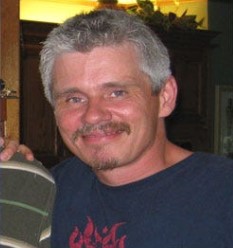
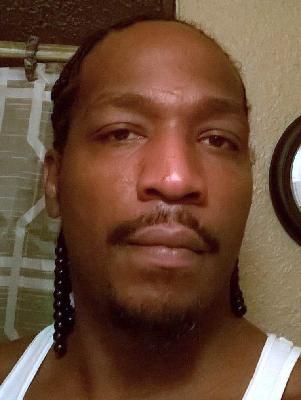
Do you know who murdered Roger? On August 7, 1987, 47-year-old Roger Leon Douthit, a Tulsa man, was found dead in an open field at 500 North Elgin Avenue, just north of downtown. His body lay in the grass of the vacant lot, a solitary figure in a patch of ground better known for being passed by than noticed. When officers arrived, they quickly realized they were not dealing with a natural death: Roger had been stabbed multiple times, and the violence of the attack left little doubt that someone had deliberately taken his
life.
The field on North Elgin became an outdoor crime scene, cordoned off as detectives and crime-scene technicians worked under the Oklahoma sky to recover whatever evidence they could. Reports describe multiple stab wounds as the cause of death, a level of force that suggested rage or a determined intention to make sure he did not survive. The location itself—a vacant field rather than a home or business—raised difficult questions. It was not clear whether Roger had been attacked there or brought to the spot after the assault, and there is no public record of witnesses who saw the fatal encounter. What could be reconstructed, even in broad strokes, was brutally simple: sometime before he was found, Roger encountered someone with a knife, and that meeting ended with his body left in the weeds at 500 North Elgin.
Homicide investigators opened a murder case and began trying to trace Roger’s final movements, looking for anyone who might have seen him or heard an argument, a struggle, a cry for help. Yet the official summaries that remain today are starkly brief, offering no hint of a clear motive, no mention of a robbery gone wrong, a domestic conflict, or a dispute that escalated into lethal violence. The way the case is described in public records decades later emphasizes how little has been confirmed: he was discovered in that field, he had been stabbed repeatedly, and he died from those wounds. Behind those sparse lines lie countless hours of work—reports written, tips checked, conversations with people who knew him—but almost none of that detail has ever been preserved in accessible public form.
Over the years, Roger’s murder has settled into the quiet, stubborn category of a cold case. The Tulsa Police Department lists his killing among its unsolved homicides from the 1980s, and the city’s own unsolved-crimes database echoes the same basic description of the crime. Independent projects devoted to unsolved cases in Oklahoma have also taken note, recording his full name, the date of his death, and the fact that he was stabbed to death in Tulsa with no resolution. None of these efforts adds a suspect’s name, a potential motive, or any indication that a promising lead ever moved close to an arrest. Instead, they all circle back to the same unresolved core: someone killed Roger, and whoever did it has never been brought into a courtroom to answer for it.
Today, Roger Douthit’s death is still officially unsolved. Publicly available records do not report any arrests in connection with his killing, nor do they identify any specific suspect or person of interest. His case remains on cold case and unsolved-crime lists, occasionally resurfacing on community-driven websites and social media posts that repeat the few known facts and ask if anyone remembers something that might finally help. Nearly four decades after he was found in that field on North Elgin, the official appeals for information are a reminder that, for all the time that has passed, the story of who stabbed Roger Leon Douthit to death and why is still missing its ending.