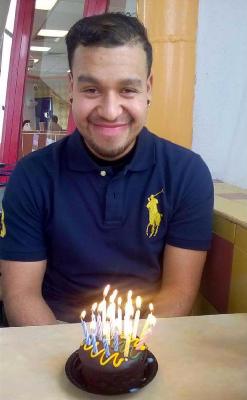
On Mother’s Day 2010, Kruz James Laviolette, a 21-year-old Black man from northeast Oklahoma City, opened his home for a party held in honor of his younger sister. What began as a celebration drew together relatives and friends, filling the house with the easy closeness of a family gathering on a spring night.
As the evening wore on, tensions flared among some of the guests and a fight broke out, turning the atmosphere from festive to volatile.
Later accounts describe the confrontation erupting during the party and spilling out from the home into the surrounding street, with Kruz stepping in to separate people and calm things down. In the chaos that followed, a shot was fired. He was struck in the back while trying to break up the altercation and collapsed in front of his family, including his younger brother and sister, who witnessed the moment that transformed a family celebration into a scene of irreversible loss.
Family remembrances portray Kruz as someone who was “always willing to put others first,” a description that echoes painfully through the story of how he died while stepping between conflict and the people he loved. His death on May 9, 2010, cut short a life still in its early adulthood and left relatives grappling not only with grief, but with the cruel irony that his final act was an attempt to protect others.
The shock of the shooting rippled through the neighborhood almost immediately. Police had already been alerted to trouble at the party before the gunfire, and when officers arrived they found a crowd reeling and a critically wounded host whose efforts to restore peace had ended in tragedy. Early news coverage described investigators seeking information from anyone who had seen the dispute unfold or knew who pulled the trigger, emphasizing that authorities were still piecing together a chaotic scene with many potential witnesses and few clear answers.
In the weeks that followed, investigators continued working the case. A little more than a month after the killing, local newspaper coverage reported that a man had surrendered to authorities in connection with the homicide, a development reflected in later online case summaries that link to that story. Those same summaries, however, do not identify the man by name, do not detail the precise charges he faced, and do not record any conviction or clearly documented legal conclusion. Instead, public case listings still present Kruz’s death without a resolved outcome and explicitly invite readers to share any new information they might have, suggesting that whatever happened after the surrender has not been clearly preserved in the accessible record.
Out of the grief that followed the shooting, Kruz’s cousin Kuinten Rucker sought a way to confront the culture of violence that had taken his relative’s life. Troubled by the murder, he founded a program called Stop the Violence, aimed at reaching children and teenagers in Oklahoma City before conflicts turn deadly. The initiative uses youth camps that blend hip-hop beats with positive lyrics, along with lessons on topics like gangs, bullying, abuse, drugs, and suicide, offering young people creative outlets and messages about alternative paths. Rucker has spoken about wanting to truly engage youth rather than simply holding a sign, hoping that by giving them something constructive and affirming, other families might be spared the kind of loss his own endured that night. Through that work, and through the memories cherished by relatives and friends, Kruz James Laviolette is remembered not only as a name in a homicide file, but as a protective brother and cousin whose final moments were spent trying to stop violence rather than contribute to it.