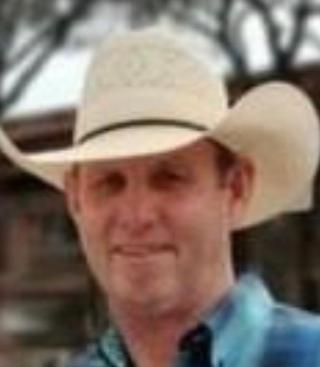
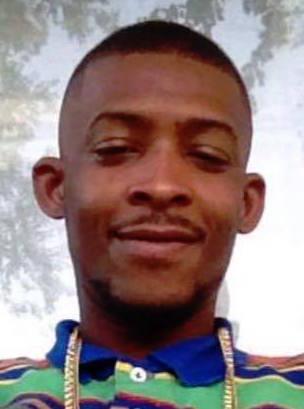
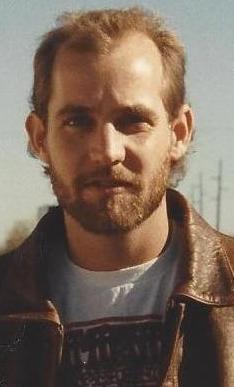
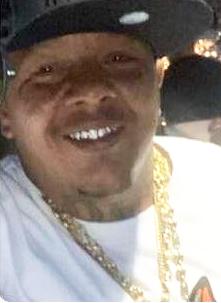
On the afternoon of March 11, 2012, in south Oklahoma City, Russell Hable, a 41-year-old white male, was discovered dead inside a room at the Super 40 Motel on South Council Road. The day had seemed routine for the motel staff until a manager walked down the exterior corridor to check whether one of the rooms had been vacated. When the door was opened, instead of an empty, unremarkable space ready to be cleaned for the next guest, there was a still body on the bed and a room that immediately
signaled to the manager and responding officers that something violent had taken place. Police noted trauma consistent with a homicide, and Hable was pronounced dead at the scene, his death quickly counted among Oklahoma City's early-year tally of killings.
In the first hours after the discovery, investigators focused on reconstructing Russell Hable's final movements inside the motel. Surveillance cameras mounted around the Super 40 provided a quiet, unblinking witness. Video from that night showed Hable returning to his room in the company of two people later identified as Joyce Michelle Seco and Sherry Lynn Campbell. Some time afterward, another figure, Rickey Dean Gold, was seen entering the same room. What happened after the door closed is known only through the sounds that neighbors later described and the fragments of testimony preserved in court documents, but the sequence that followed was stark: witnesses heard gunshots, and then the same three visitors were seen fleeing from the room and away from the motel.
The day after the body was found, detectives moved quickly on the first lead. Acting on information developed in the investigation, officers located Joyce Seco in the 5900 block of South May Avenue. She was taken into custody and booked into the Oklahoma County Jail on a complaint of first-degree murder connected to Hable's death, held without bond as the case was prepared. Around the same time, regional news reports highlighted the arrest, emphasizing that police believed she was directly involved in whatever had unfolded inside the Super 40 Motel room that weekend.
As detectives interviewed Seco and pieced together what they had from surveillance footage and witness accounts, a darker, more deliberate picture emerged. According to statements summarized in court records, Seco told investigators that the encounter with Hable was not random. She said there had been a plan to rob him in that motel room, and in those accounts she pointed to others as key participants. She identified Sherry Lynn Campbell as one of the companions seen entering the room with Hable on the video, and she described Rickey Dean Gold as the one who entered afterward and ultimately fired the shots that ended Hable's life. In the version relayed through these documents, another figure, Terri Camp, waited outside, positioned as the driver of the car that would carry the others away from the scene once the shooting was over.
With that narrative in hand, prosecutors moved to widen the case. The Oklahoma County district attorney's office filed first-degree murder charges against all four named suspects: Gold, Seco, Campbell and Camp. Seco was already behind bars, facing the court as the state's detailed allegations took shape. Arrest warrants were issued for Gold, Campbell and Camp, who, according to coverage at the time, had not yet been found and were being actively sought by law enforcement. The story of Russell Hable's death thus became intertwined with a prolonged search for three people accused of turning a small, unremarkable motel room into the scene of a planned robbery and killing.
In the years that followed, the case did not fade entirely from view. Case-tracking sites that compile information from court records and news outlets list the homicide as a death by force, noting the charges against the four suspects and summarizing the evidence of the surveillance footage, the gunshots heard by witnesses, and the flight from the room afterward. They also mark the matter's status as tied to litigation, reflecting that Hable's killing remained the subject of formal legal proceedings and continued public interest long after the crime itself. Though the courtroom record is scattered across dockets and filings, the broad outline remains: a man alone in a budget motel room on a March weekend, a sequence of visitors captured on camera, a burst of violence behind a closed door, and a chain of arrests and accusations that sought, however imperfectly, to account for how and why his life ended there.