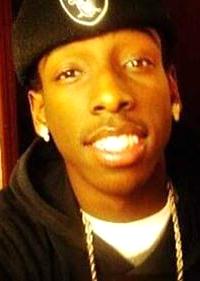
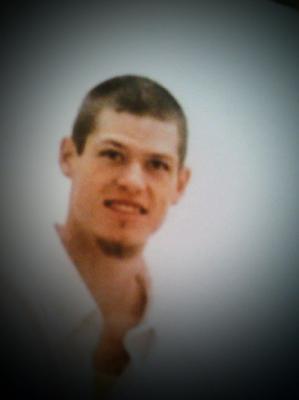
On a Wednesday night in late October 2012, Daquan Lamont Stephens, an 18-year-old African-American male from Oklahoma City, was in the parking lot of the Terrace Apartments in the northwest part of the city when violence closed in on him. It was October 24, and the day had already slipped into darkness when gunfire shattered the quiet around the complex on the 6600 block of Northwest 10th Street.
Neighbors called for help, and patrol cars and ambulances converged on the lot, their lights washing the low buildings and parked cars in red and blue. When officers reached Stephens, he had been shot and was lying gravely wounded on the pavement, the ordinary apartment parking lot suddenly turned into a crime scene.
Paramedics worked quickly, lifting him from the asphalt and rushing him to a nearby hospital in hopes that the night would end with a recovery instead of a death notification. The effort was in vain. Not long after he arrived, Stephens died from his injuries, and the scene back at Terrace Apartments shifted from a rescue to a homicide investigation. Detectives and crime scene technicians fanned out across the lot, marking shell casings, examining vehicles, and talking to anyone who might have seen or heard something in the crucial minutes before or after the shooting. The apartments themselves, a place meant to be ordinary housing in northwest Oklahoma City, were left with bullet markers and yellow tape as reminders of what had happened there.
Almost immediately, investigators focused on a car that appeared significant to what had unfolded in the parking lot. Officers impounded the vehicle and questioned several people, trying to piece together who had been there, who had left in a hurry, and who might have pulled the trigger. Yet whatever information emerged from those conversations, it was not enough to solidify a case. By the following morning, authorities were already telling the public that there were no suspects in custody, and that the people interviewed that night had not led to an arrest. The crisp language of early news reports reflected the uncertainty: a young man had been killed, a car had been seized, several individuals had been questioned, but the shooter was still somewhere beyond the reach of handcuffs.
Stephens’ killing did not happen in isolation; it came during a year when Oklahoma City was grappling with an unusually high number of homicides. By the end of 2012, the city had recorded ninety-nine killings, and nearly a third of them were still unsolved when the year closed. In a later review of that grim tally, police and local media highlighted a list of victims whose cases remained open, and among those names was Stephens, marked as homicide number seventy-nine. His inclusion on that list underscored how his death had joined a broader pattern of unsolved violence that year, a set of cases where families were left without answers and detectives were still searching for enough evidence to move forward.
As the months turned into years, his case remained suspended in that unresolved space. Public appeals urged anyone with information to call the homicide tip line, and his name continued to appear in compilations of unsolved killings in Oklahoma City. Case summaries preserved the basic facts: the date, the apartment complex, the parking lot, the dying trip to the hospital. Behind those bare details sits the quieter reality of a life interrupted—of a young man whose story now exists in police files, brief articles, and online case listings instead of in future plans. As of the latest available information, investigators have not announced any arrests or publicly identified a suspect in connection with the shooting, leaving Stephens’ family and community to carry the weight of a loss that has never been fully explained or resolved.