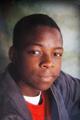
Frederick Dion Richardson Jr., a 23-year-old Black male from Oklahoma City, was caught in a burst of gunfire on the night of May 26, 2015, at the Britton Courtyard Apartments along West Britton Road. What began as an ordinary late-spring evening at the northwest Oklahoma City complex was shattered when shots rang out, drawing residents from their homes and sending calls for help to police dispatch. Responding officers arrived to find two cousins, Frederick and 21-year-old Montyana Abrion Richardson, lying wounded in the courtyard area of the complex, both struck by gunfire and in urgent need of medical attention.
The scene quickly turned into a race against time as emergency responders transported the cousins to OU Medical Center. In the days that followed, Montyana’s condition worsened, and she died on May 29, 2015, transforming the case into a homicide investigation and deepening the anguish for their family. Early news reports described Frederick as having survived his injuries and being released from the hospital, suggesting that at least one member of the family might escape the worst outcome of the attack.
Later, however, dedicated homicide records and victim databases listed Frederick himself as a homicide victim from that same night, with his date of death recorded as May 26, 2015, in Oklahoma City and his death classified as “death by force.” These records identify him by name, confirm his age at 23, and place his body as having been found on the date of the shooting, aligning his fate with the violence that erupted at Britton Courtyard Apartments. Taken together, the contemporaneous news coverage and subsequent homicide listings paint a picture of a chaotic, confusing aftermath in which initial reports of survival gave way to official recognition that both cousins had ultimately been claimed by the same act of gunfire.
Despite the gravity of the case, authorities have never publicly announced the arrest of any suspect in connection with the shootings. At the time, Oklahoma City police appealed to the public for information, emphasizing that no one had been taken into custody and urging anyone with knowledge of what happened that night in the 7000 block of West Britton to come forward. Years later, homicide case summaries still list Frederick’s death without noting any offender or resolution, and the case remains absent of publicly known suspects.
What endures in the record is the image of two young relatives sharing an ordinary evening at an Oklahoma City apartment complex before gunfire abruptly rewrote their futures. Frederick’s killing, intertwined with the loss of his cousin, stands as one of many unsolved acts of violence that leave families living with unanswered questions. The quiet entries in homicide databases and the brief but stark news stories are all that formally mark his passing, while the lack of arrests or named suspects underscores how, for those who knew him, justice for what happened on that May night remains an open, unfinished chapter.