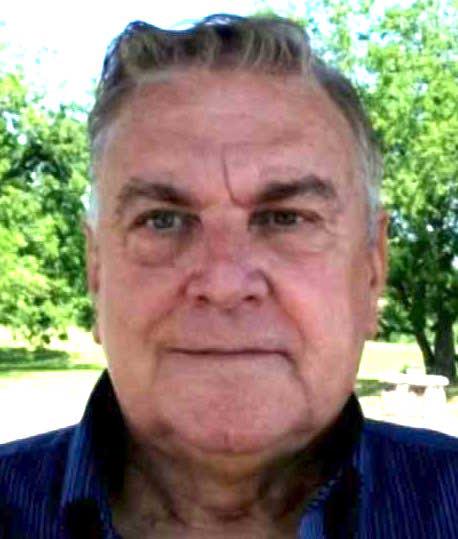
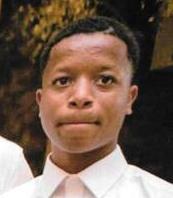
Ricky Duke, a 56-year-old white male, spent his final evening in the northwest Oklahoma City home where he had lived as a familiar, if quiet, presence on the block along Northwest 123rd Street. In the early minutes of February 14, 2016, just after midnight, police were called to the 6500 block of NW 123rd on reports of a shooting. Officers arrived around 12:10 a.m.
to find Duke lying just inside the doorway of his house, dead from a single gunshot wound, in what would be recorded as the Oklahoma City Police Department’s 10th homicide investigation of the year.
The events that led to the shooting began late on the night of February 13. Duke was known for opening his door to people who needed a place to be, and that night he allowed a younger acquaintance, later identified as Trevon Eugene Hill, into his home. Hill, about 20 years old at the time, had come by asking about buying a handgun, and witnesses inside the house later told police that he was asking if they knew where he could get one. At some point, Duke and Hill moved into a bedroom, and an argument erupted behind the door. Witnesses reported hearing the raised voices, then seeing Hill with a gun in his hand, holding it on Duke as they moved out of the bedroom toward the front of the house. Fearing for their own safety, the witnesses fled out a back door; moments later, they heard a gunshot from the front of the home. When officers arrived shortly afterward, Duke was already dead on the floor just inside his entryway.
The quiet residential street woke up that Valentine’s Day to yellow crime-scene tape hanging from trees and police cars lining the block. Neighbors described the area as relatively calm and were stunned that a killing had taken place inside a home they passed every day. One neighbor recalled getting a phone call warning that police were swarming the area and stepping outside to see the chaos in a neighborhood he considered peaceful. Another neighbor who lived right next door said Duke generally kept to himself but was friendly in the brief encounters they’d had, someone who would wave, mind his own business, and never caused trouble. In the days that followed, his name appeared on online memorials dedicated to victims of gun violence, as friends, family, and strangers alike marked his death with candles and messages of remembrance.
Inside the house that night, however, witnesses had seen enough to give detectives a clear starting point. They told police they knew who the shooter was; one had gone to high school with him, and others were able to pick him out of a photo lineup. Initially, public statements from police noted only that an unknown male suspect had argued with Duke before the shooting, but behind the scenes investigators were already working from the witnesses’ identifications. Within two days, on February 16, 2016, officers located the suspect in nearby Midwest City and arrested him without incident. Authorities announced that he was being held pending charges of first-degree murder and robbery in connection with Duke’s death, tying the quiet northwest Oklahoma City house to a broader story of violent crime that reached beyond the immediate neighborhood.
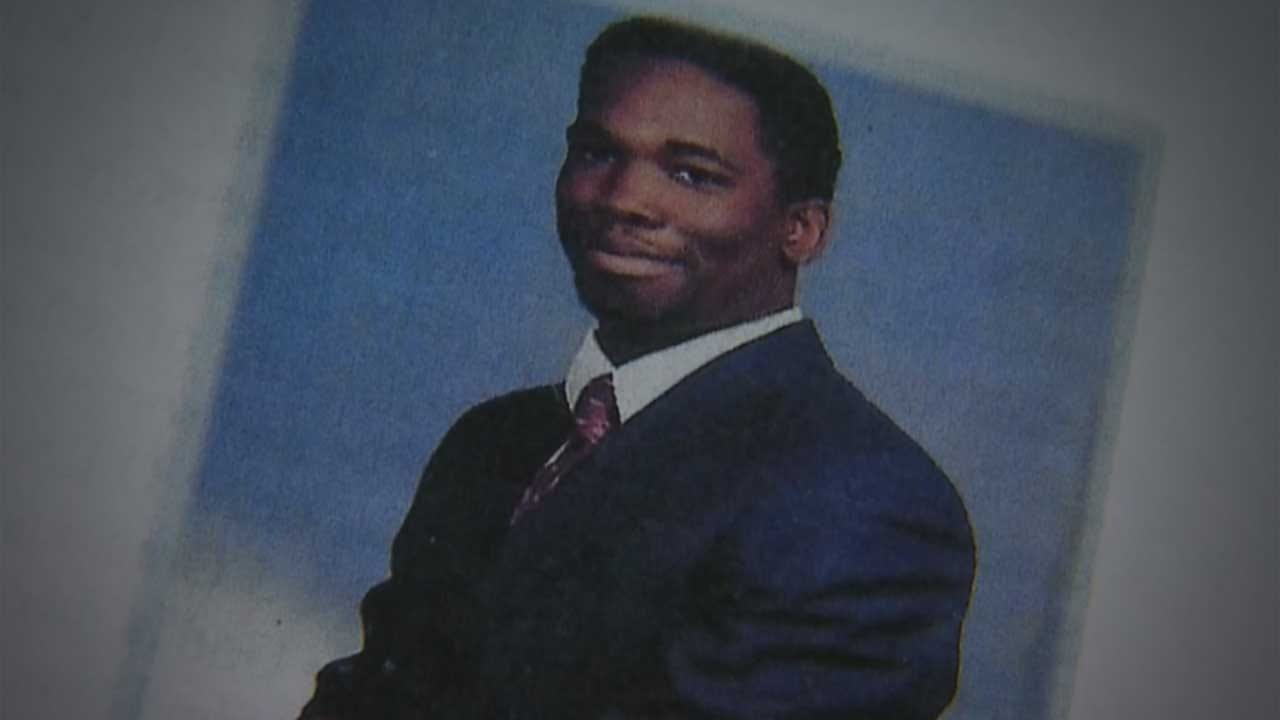
As the case moved through the courts, the suspect was formally identified as Trevon Eugene Hill. In early 2018, nearly two years after the shooting, Oklahoma County court records showed that Hill, then 22, entered a guilty plea to first-degree murder for fatally shooting Duke inside the home on NW 123rd Street. Reporters noted that witnesses had heard the verbal altercation between the two men before the gunshot that ended Duke’s life, details that were echoed in the case summary compiled by crime-tracking sites, which also recorded the case as solved and Hill as having been convicted of the killing. With the guilty plea, there would be no contested trial, and the story that began with a late-night argument in a modest northwest Oklahoma City house concluded in a courtroom, where the responsibility for Ricky Duke’s death was formally acknowledged and entered into the record.