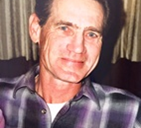
Kevin Gonzalez, a 21-year-old white male, was found dead on July 3, 2016, in an empty field on the east side of Tulsa, Oklahoma, just off South 129th East Avenue and East Admiral Place. It was the kind of out-of-the-way spot most people passed without noticing, a stretch of ground beyond the main roads where the sounds of traffic faded and only the wind moved through the grass.
On that summer day, someone spotted his body and called police, ending whatever silence had covered the scene until then.
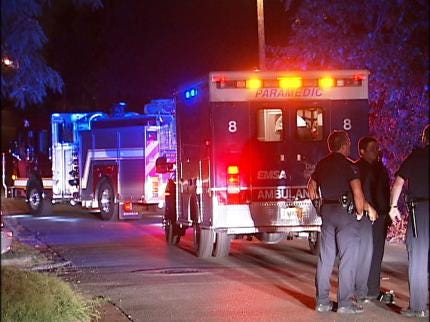
When officers arrived, they discovered that Kevin had been killed by a gunshot wound to the chest. The open field around him gave few obvious clues. This wasn't a neighborhood sidewalk or a busy parking lot where witnesses might linger; it was a place known more for its isolation than for any sense of community. Investigators quickly recognized the grim familiarity of the location: the area had a reputation as a dumping ground for stolen vehicles, a corner of the city people used when they wanted to get rid of something without being seen. Now, it was the site of a young man's death.
In the days that followed, detectives treated the field as a full crime scene, working to piece together how Kevin had ended up there and who had pulled the trigger. They mapped the area, documented the surroundings, and tried to trace movement in and out of the nearby streets. The fact that his body was found in a spot known for criminal activity complicated the narrative: it was a place where cars were abandoned and people came and went at odd hours, making it harder to narrow down who might have been there at the critical moment.
Despite the early efforts, there were no immediate arrests. The case did not resolve in the rapid way that families and communities hope for after a killing; instead, it slipped into the slower, more painful category of unresolved homicides. Over time, the field returned to its usual anonymity, but the file on Kevin's death remained open. Years later, his case was still listed as unsolved, with authorities continuing to ask the public for information that might finally identify whoever was responsible and explain how a young man's life ended in that lonely stretch of east Tulsa.