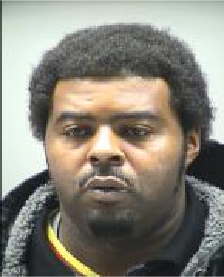
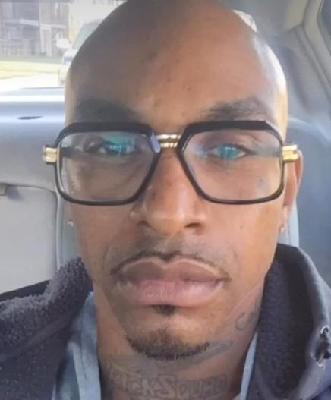
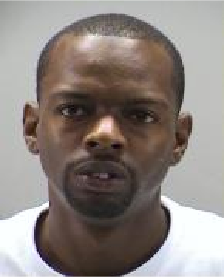
On May 1, 1983, the life of George Chester Hunnel, a 37-year-old man, was cut short in Dayton, Ohio. For more than four decades, the specific details of his death have been shrouded in silence, leaving behind a case that has grown cold but has never been forgotten by law enforcement. His homicide is one of dozens from that era in Montgomery County that remain without answers, a painful reminder of a past that is still very much present for the families awaiting justice.
George was born on March 13, 1946. Beyond this, the public record offers few details about the man he was—his profession, his passions, his family, or the life he led in Dayton. This lack of available information is a common and heartbreaking aspect of many older, unsolved cases, where the victim's personal story can become obscured by the enduring mystery of their final moments.
What is known is that on that Sunday in early May, his life ended violently, and the person or people responsible vanished, leaving investigators with a puzzle that has yet to be solved.
The investigation into George Hunnel's murder was opened by the Dayton Police Department. In 1983, forensic science was a world away from the technology available to detectives today. Without the benefit of modern DNA analysis and digital surveillance, investigators relied heavily on witness testimony and tangible physical evidence that was often difficult to process. In many cases from this period, a lack of immediate leads meant the trail could go cold quickly, frustrating the efforts of even the most dedicated officers.
Despite the passage of time, George's case remains open. It is officially listed among the unsolved homicides on the Ohio Attorney General's cold case website, a public acknowledgment that the search for answers continues. This database serves as a resource for both law enforcement and the public, ensuring that victims like George are not relegated to a forgotten file. It represents the hope that a new piece of information, a fresh look at old evidence, or a person with long-held knowledge might finally come forward.
The Dayton Police Department, in partnership with the Ohio Bureau of Criminal Investigation (BCI), periodically revisits cold cases. Detectives understand that relationships change and loyalties falter over time; someone who was afraid to speak in 1983 may feel differently today. Advances in forensic genealogy and the re-examination of stored evidence have solved other decades-old crimes, offering a glimmer of hope that a breakthrough in George Hunnel's case may one day be possible.
The city of Dayton in the early 1980s was navigating a period of economic transition, but it remained a community of strong neighborhoods and resilient families. The news of an unsolved homicide would have been a source of fear and concern, a disruption to the sense of security that residents cherished. For George Hunnel’s family and friends, the lack of resolution has meant carrying the weight of not knowing for a lifetime.
As of today, there have been no arrests and no publicly named suspects in the homicide of George Hunnel. The case stands as it has for over forty years: a quiet but persistent question waiting for an answer. Law enforcement encourages anyone who might have information, no matter how insignificant it may seem, to come forward. A single, small detail could be the key that unlocks the truth and finally brings a measure of peace to those who have waited so long for justice.