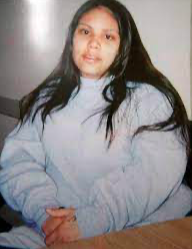
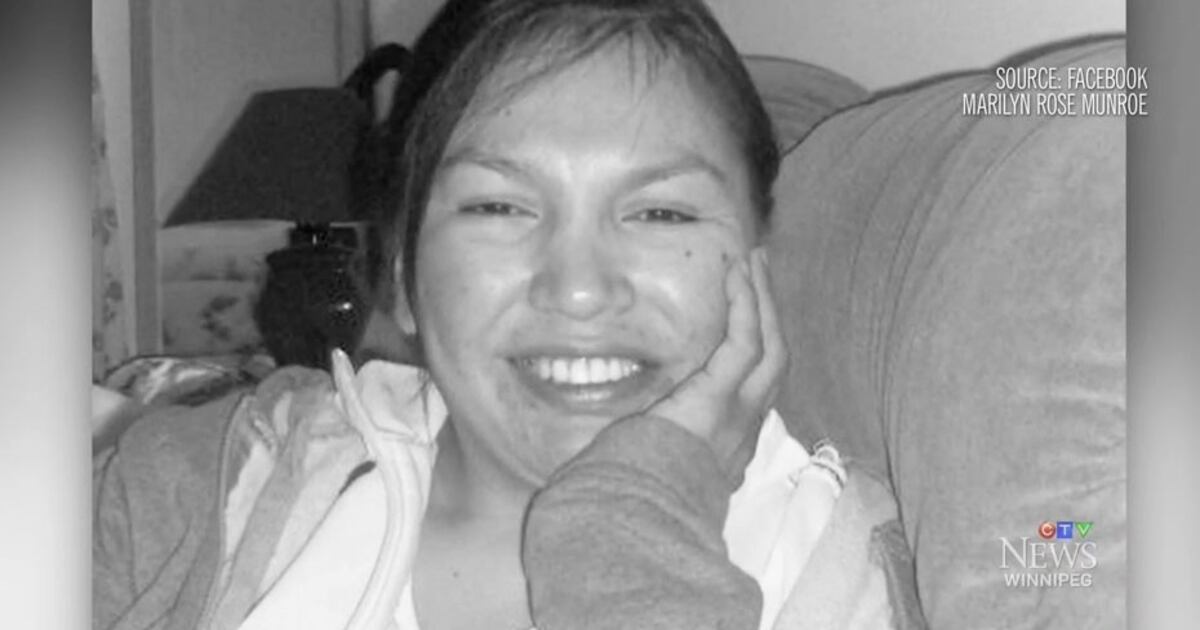
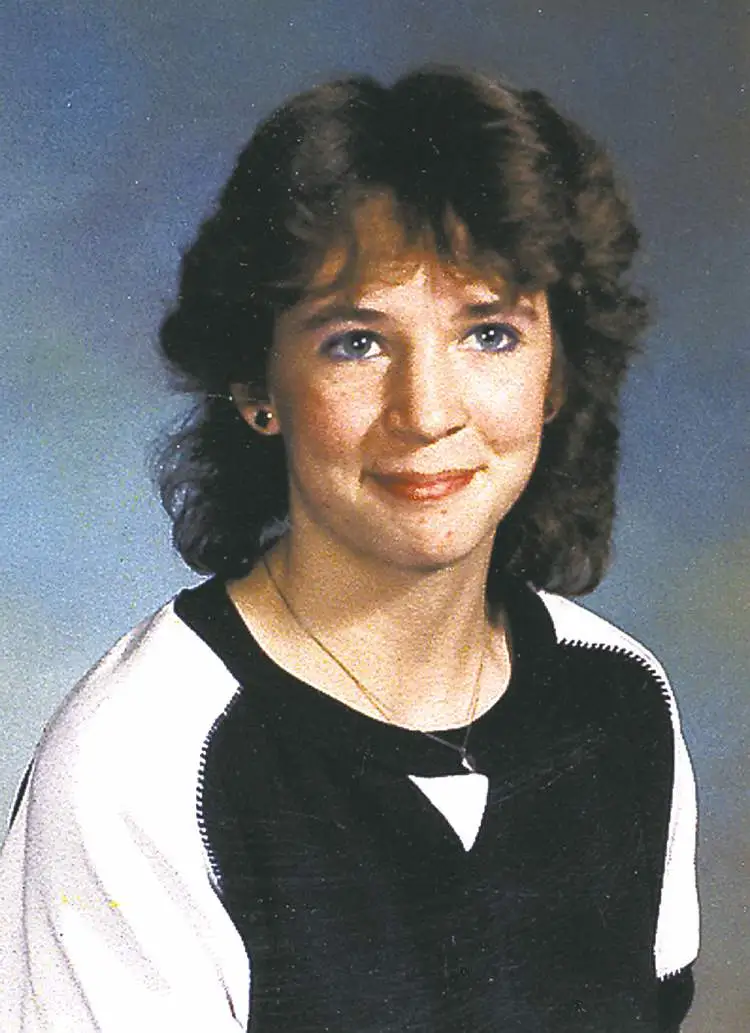
Leah Anderson, a 15-year-old Cree girl, was remembered by her sister Tiffany as a bright and genuine soul, like “the sunshine in the room.” Living in the remote community of Gods Lake Narrows First Nation in northern Manitoba, she was part of a close-knit family and community.
On the evening of Friday, January 4, 2013, Leah left her aunt’s house, telling her family she was going to the local arena to go ice skating with friends. It was the last time they saw her alive. When she didn't return, her family and community began a frantic search. Two days later, on Sunday, January 6, her body was discovered on a well-used snowmobile and walking trail near the community's airport. The winter ice road connecting the fly-in community to the rest of the province was not yet open, meaning the only way in or out was by plane.
The initial scene was horrific. Leah's body was so severely disfigured that it was first believed she had been mauled to death by stray dogs.
However, the Royal Canadian Mounted Police (RCMP) quickly determined that while she had been mauled by dogs, the cause of death was a violent beating. Her death was ruled a homicide, a crime that sent waves of fear and grief through the isolated community of about 1,500 people. The unsolved killing, along with the 2015 murder of 22-year-old Crystal Andrews in the same area, heightened anxieties for years.
The RCMP launched a major investigation into Leah’s murder. Investigators believed that because the community was cut off by land at the time, it was highly likely the person responsible was still in Gods Lake Narrows in the days following the crime. The investigation involved collecting DNA samples from several community members and reportedly subjecting at least two people, including Leah's boyfriend and his cousin, to lie detector tests.
For years, the case saw little public movement, leaving Leah's family and community waiting for answers. Then, in July 2017, the RCMP announced they had made significant progress, narrowing down the suspects and determining the killer was a male known to Leah. Days after this announcement, police arrested a 23-year-old man from Gods Lake Narrows in connection with her death. The hope for a breakthrough was short-lived, as the man was released without charges the very next day. RCMP confirmed he remains a person of interest.
Over the years, Leah’s family and community have held vigils and walks to keep her memory alive and to call for justice. On the 10th anniversary of her death in January 2023, community members gathered for a memorial walk, offering prayers and songs at the spot where her body was found. God's Lake First Nation Chief Hubert Watt expressed the community's frustration, stating, "People wonder why somebody hasn't been caught, especially in a small fly-in community." Leah's sister Tiffany said she was glad people were still thinking of her sister and continued to hope the RCMP would return to the community to actively investigate.
In response to the 10-year anniversary, RCMP Staff Sgt. Chris Johnson acknowledged it was a "difficult investigation" but stated that significant work had been done and no information collected over the decade had been lost. He described the heavy burden the killer must carry and noted the tragedy of a young woman who had her whole life ahead of her. As of January 2023, Leah Anderson's homicide remains an open and active investigation, but no charges have ever been filed. Her killer remains at large.