Crime Solvers Central
302 Cases Solved. Advancing justice for missing persons, unsolved homicides, unidentified and unclaimed remains.

Case Description

Any updates on this case? Let us know!
Summary based on 7 sources
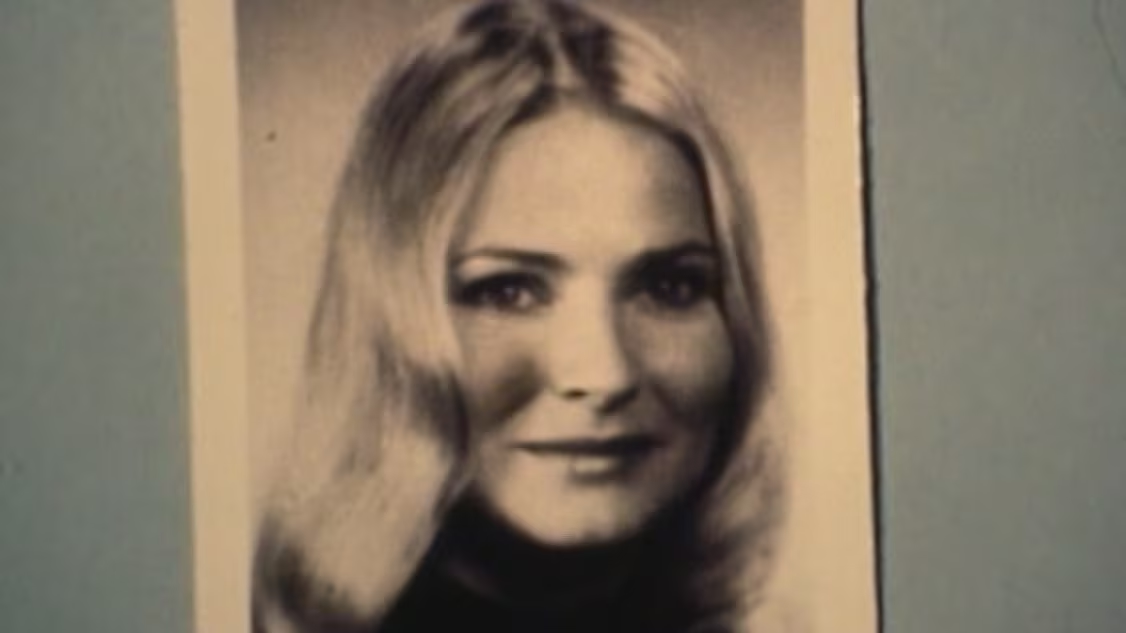
Candace Derksen was a 13-year-old girl from Winnipeg, Manitoba, whose family remembers her as a bright and beloved daughter. A student at the Mennonite Brethren Collegiate Institute, her life was cut short in a crime that would haunt the city and her family for decades. In the face of unimaginable loss, her parents, Wilma and Cliff Derksen, chose a path of forgiveness and advocacy, creating a lasting legacy of support for others affected by crime.

On the cold afternoon of November 30, 1984, Candace disappeared while walking home from school. Her vanishing prompted an extensive search, with community members and police desperately looking for the young girl. The search came to a tragic end six weeks later, on January 17, 1985, when her body was discovered in an industrial storage shed. She was found bound with twine and frozen. The cause of her death was determined to be hypothermia.

For more than two decades, the case grew cold, leaving Candace's family and the community without answers. A breakthrough appeared to come in May 2007, when Winnipeg police arrested Mark Edward Grant and charged him with first-degree murder. The arrest was based on DNA evidence that investigators said linked Grant to the twine used to bind Candace. In February 2011, a jury convicted Grant of second-degree murder, and he was later sentenced to life in prison with no possibility of parole for 25 years.

The conviction, however, did not close the case. Grant appealed, and in 2013, the Manitoba Court of Appeal overturned the verdict and ordered a new trial. The appeal court ruled that the trial judge had erred by not allowing the defence to present evidence about another potential suspect. The Supreme Court of Canada later upheld this decision. At the retrial in 2017, which was heard by a judge alone, the DNA evidence that had been central to the prosecution's case was deemed "fundamentally flawed." The judge acquitted Grant, who had spent nearly a decade in prison.

Throughout the decades of uncertainty and legal battles, Candace’s parents channeled their grief into helping others. Her mother, Wilma Derksen, became an author, speaker, and consultant on victimization and restorative justice. She has shared her family's story widely, influencing victims, offenders, and the justice system. The family's work led to the creation of several programs, including Child Find Manitoba and, most notably, Candace House, which opened in 2018. Located near the Winnipeg law courts, it provides a safe, homelike day refuge for victims and survivors of crime during their time in the justice system.

As of August 2026, the murder of Candace Derksen remains unsolved. After Grant's acquittal in 2017, the Crown chose not to appeal the verdict, and no one else has been charged in her death. Grant later filed a lawsuit for wrongful conviction; the portion against the province was dismissed in May 2026. In an unrelated case, Grant was sentenced in August 2026 to 10 years in prison for a sexual assault in British Columbia. While justice for Candace remains elusive, her memory endures through her family's tireless work to bring comfort and resilience to others navigating the aftermath of violent crime.