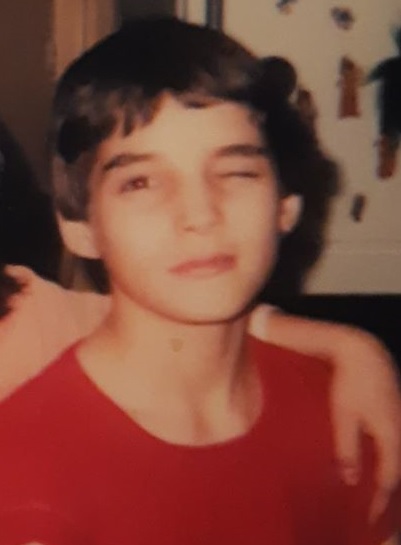
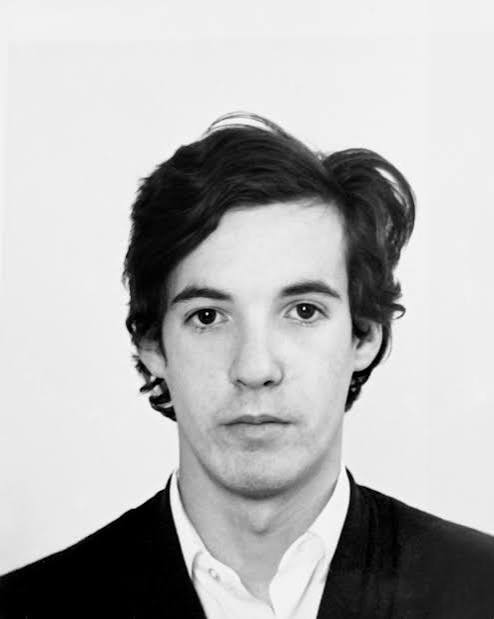
The last day of 2008 was cold and clear in Montreal. As the city prepared for New Year's Eve festivities, Boris Crossosky, a 37-year-old man, was heading to a meeting. At approximately 11:45 a.m. on December 31, he was seen for the last time. He was reportedly on his way to meet his bosses. What should have been a routine appointment on the cusp of a new year became the starting point of a mystery that would end in tragedy months later.
After that final sighting, Boris vanished. The winter of 2009 passed with no sign of him. As the snow and ice began to melt in the Laurentian Mountains north of the city, a grim discovery was made. On April 17, 2009, Boris Crossosky’s body was found in Entrelacs, a small municipality in the Lanaudière region, about 100 kilometers from where he was last seen. His remains were located along Lafontaine Road, a rural route in a community known for its tranquil lakes and dense forests. The discovery confirmed the worst fears: an official police investigation determined that Boris had been the victim of a homicide.
The case was taken over by the Sûreté du Québec, the provincial police force for Quebec. Investigators were faced with the challenge of piecing together a timeline that stretched over three and a half months. They knew when and where Boris was last seen, and they knew when and where his body was found. The critical questions remained: what happened to him after he set off for his meeting? Who were the bosses he was supposed to see, and what was the nature of their business? How did he end up in Entrelacs, a quiet area far from the urban bustle of Montreal?
For more than a decade, these questions have lingered, and the homicide of Boris Crossosky has become one of Quebec's many unsolved cold cases. The Sûreté du Québec's Division of Unsolved Crimes continues to investigate, holding out hope that a new piece of information or a forgotten memory could provide the breakthrough needed to bring resolution to the case. These specialized units often re-examine evidence using new forensic technologies and look for connections that may have been missed in the initial investigation. They rely heavily on tips from the public, knowing that someone, somewhere, may hold the key to understanding what happened.
The passage of time has not diminished the need for answers. The abrupt and violent end to Boris's life left a void for those who knew him, a story without a final chapter. The case is a stark reminder of the many individuals whose files remain open, their fates unresolved. As of May 2026, the investigation into the murder of Boris Crossosky is ongoing.
The Sûreté du Québec continues to ask for the public's help. They urge anyone with information, no matter how insignificant it may seem, to come forward. Any detail about Boris's movements on or after December 31, 2008, the people he was meeting, or any unusual activity witnessed in the Entrelacs area around the time his body was discovered could be crucial. Anyone with information is encouraged to contact the Sûreté du Québec's Centrale de l’information criminelle at 1-800-659-4264.