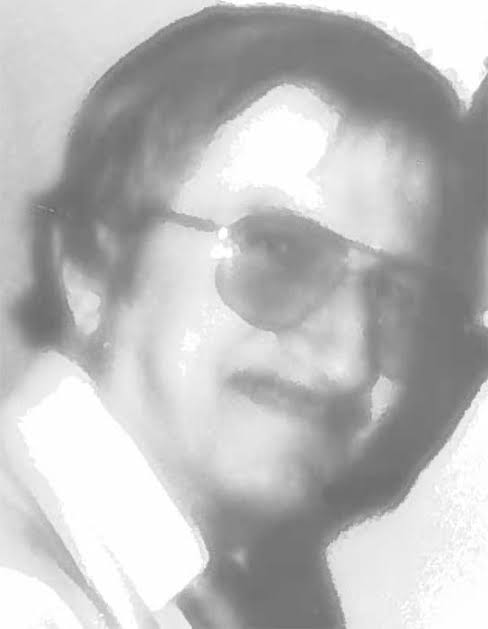
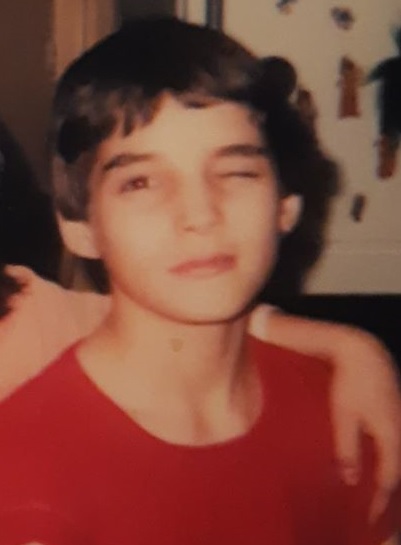
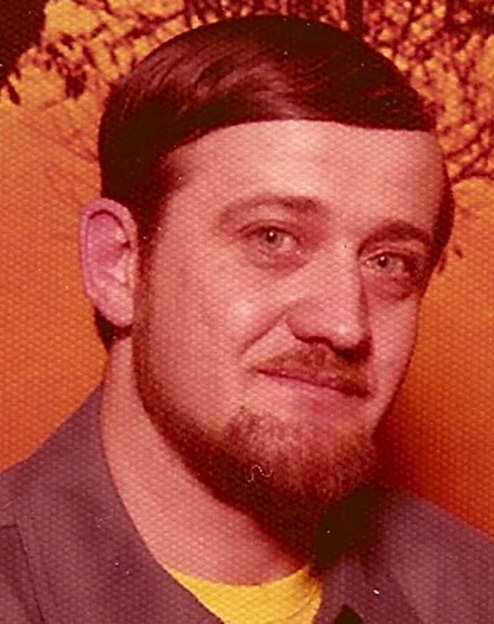
For three decades, the family of Jacques Gendron has been waiting for answers in the harrowing silence that followed his death. The passage of time has done little to heal the wound of not knowing who was responsible or why his life was taken. His case remains an open and unsolved homicide, a lingering injustice that his loved ones carry with them every day.
The few facts that are publicly known about the case are stark and chilling. On Thursday, August 22, 1996, a person passing by made a grim and unexpected discovery: the body of Mr. Gendron. The circumstances and specific location of where he was found have not been detailed in public records, but the nature of the discovery led authorities to immediately classify his death as a homicide. Who he was supposed to be with and where he was supposed to be on that late summer day remain unanswered questions in the public sphere. His death left a void in the lives of those who knew and loved him, a void made deeper by the lack of resolution.
The investigation into the murder of Jacques Gendron began immediately, but the trail appears to have gone cold. In the mid-1990s, police investigations relied on forensic techniques that were advancing but lacked the sophisticated DNA technology that has become crucial to solving cold cases today. Over the years, evidence is re-examined, and witnesses are sometimes re-interviewed, but without a significant break—a new piece of information, a pang of conscience from someone who knows something—cases like this can remain stalled for decades.
The file is now listed among the province's cold cases, maintained by organizations dedicated to keeping the memories of victims alive. The case is cataloged by Meurtres et Disparitions Irrésolus du Québec (MDIQ), or Unsolved Murders and Disappearances of Quebec, a non-profit organization that works with families of victims. Their mission is to ensure that these cases are not forgotten by the public and to provide a platform for families to seek help and share their stories. The organization’s simple but powerful summary of Jacques Gendron's case notes, "The family is still searching." This brief statement speaks volumes about the enduring pain and hope that coexist after so many years.
For families navigating the ambiguous loss of an unsolved murder, the search for answers is a relentless pursuit. It is a hope that someone, somewhere, holds the key that could finally bring clarity and a measure of peace. They live with the knowledge that the person responsible for their loved one's death has never been held accountable, a fact that complicates the already difficult process of grieving. Anniversaries and birthdays pass, marked by the shadow of the unresolved crime.
As of May 2025, the homicide of Jacques Gendron remains an open, unsolved case. His family continues its long wait for justice, hoping that a new lead will emerge. They hope that renewed attention to the case might jog a memory or encourage someone to finally come forward with information they have held for years. Any small detail could be the missing piece that investigators need to move the case forward and finally provide the answers his family has been seeking for a generation.