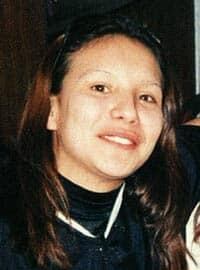
Caralyn Aubrey King, a young Indigenous woman known to her loved ones as ‘Cara,’ was remembered by her mother as adventurous and impulsive. The 22-year-old was a beautiful young woman who loved the outdoors and competing in equestrian events on horseback. Framed photos in her mother’s home captured a life, from a baby in her mother’s arms to a smiling girl in school pictures and a teen on her horse. As she grew older, Caralyn struggled with addiction, which led her into a high-risk lifestyle on the streets of Edmonton, Alberta. She moved between shelters, friends’ couches, and a boyfriend’s home, at times supporting her addiction through sex work. Her mother, Kathy King, tried to stay in contact and offer support through these difficult years.
In early August of 1997, Caralyn vanished from the inner city of Edmonton. Her mother reported her missing on August 2, 1997. For a month, her whereabouts were unknown. On September 1, 1997, a farmer was harvesting a wheat field near Sherwood Park, a community just east of Edmonton, when he discovered her body. The discovery was made in a canola field near Highway 214 and Highway 16. An autopsy confirmed her death was a homicide, but due to the decomposed state of her remains, further details were not publicly released.
The investigation into Caralyn King’s murder was opened by the Strathcona County Royal Canadian Mounted Police (RCMP), and the file remains with their detachment. Over the years, the case grew cold, with no suspects publicly identified or charged. Her homicide is one of dozens of similar cases in the Edmonton area involving women, many of them Indigenous, who lived high-risk lifestyles and were found dead in rural areas surrounding the city. These unsolved slayings have led to speculation about one or more serial predators, with some cases, including Caralyn's, being linked by observers to a suspected killer dubbed the "Edmonton Killing Fields Killer."
In the years following her daughter’s death, Kathy King became a prominent and tireless advocate for missing and murdered women. She shared Cara's story countless times, speaking on behalf of vulnerable young people and working with organizations like Victims of Homicide and the Centre to End All Sexual Exploitation (CEASE). She vowed to make some meaning from her family's tragedy. "Cara has come to represent, I think, a universal cause," she said in 2018. "The grief is so much more than mine.” To raise awareness and generate tips, Kathy launched a website, MissingCara.ca, and in August 2018, she placed an ad on a digital billboard in central Edmonton, choosing an image from the Red Dress Photography Project to honor all missing and murdered Indigenous women.
Caralyn's memory is honored at events like the Annual Memorial March for all the Missing and Murdered Women of Edmonton, an event her mother supported from its inception. These gatherings provide a space for families to remember their loved ones with dignity and to call for an end to violence against women. A small urn with some of Caralyn’s ashes sits in a memorial shrine in her mother’s home, surrounded by candles, angel statues, and the photos that trace her short life.
As of August 2018, the homicide of Caralyn King remains an unsolved cold case with the Strathcona RCMP. Her family continues to wait for answers, hoping that someone will come forward with the information needed to bring justice for Cara.