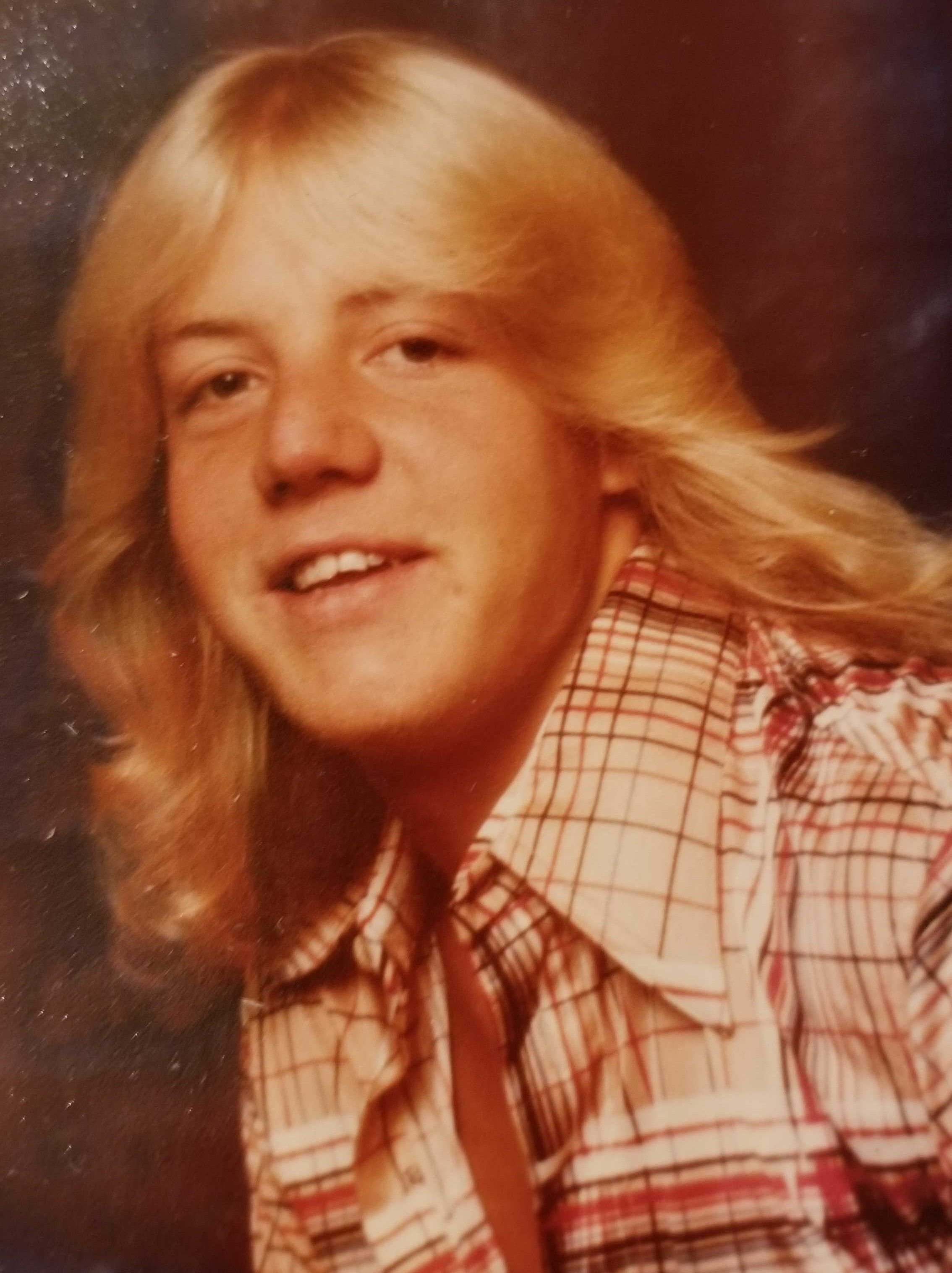
Christopher Wallace, known to the world as the groundbreaking hip-hop artist The Notorious B.I.G. or Biggie Smalls, was a towering figure in music, celebrated for his lyrical prowess and vivid storytelling. A native of Brooklyn, New York, he dropped out of school at seventeen to master his rapping style on the streets of his Bedford-Stuyvesant neighborhood. His talent was undeniable, and he was soon discovered by producer Sean "Puffy" Combs. With his platinum-selling debut album "Ready to Die," Wallace, a 24-year-old male, became a cultural icon. He married R&B singer Faith Evans and was a father. Despite his massive success, which included a Billboard Music Award for Rapper of the Year in 1996, his life was cut short in a crime that shocked the music world and remains a painful, open wound.
In early March 1997, Wallace was in Los Angeles to promote his highly anticipated second album, "Life After Death," and to film a music video.
On March 5, during a radio interview, he mentioned he had hired extra security, fearing for his safety amid the much-publicized East Coast-West Coast hip-hop rivalry that had intensified after the murder of rapper Tupac Shakur six months earlier. On the night of March 8, Wallace attended a crowded after-party hosted by Vibe magazine and Qwest Records at the Petersen Automotive Museum in the Carthay Circle neighborhood. Guests included a roster of music and entertainment stars. The party was shut down early by the fire department due to overcrowding.
Shortly after 12:30 a.m. on March 9, 1997, Wallace left the party. He was in the front passenger seat of a green Chevrolet Suburban, part of a three-car convoy carrying his entourage. At a red light at the intersection of Wilshire Boulevard and South Fairfax Avenue, just 50 yards from the museum, a dark-colored Chevrolet Impala SS pulled up alongside his vehicle. The driver, described as a Black male, lowered his window, drew a 9mm pistol, and fired multiple shots into the Suburban. Wallace was struck four times. His associates rushed him to Cedars-Sinai Medical Center, where doctors performed an emergency thoracotomy. Despite their efforts, Christopher Wallace was pronounced dead at 1:15 a.m.
An autopsy report, released 15 years later, revealed the devastating details of his injuries. While three of the gunshots were not fatal, the fourth entered his right hip and tore through his colon, liver, heart, and the upper lobe of his left lung. His death sent shockwaves across the globe, and his funeral in New York was attended by luminaries like Queen Latifah and Lil' Kim. The murder, occurring so soon after Shakur's, was seen by some as a tragic culmination of the coastal rap feud.
The investigation into Wallace's murder was immediately launched by the Los Angeles Police Department (LAPD) but was plagued by challenges from the start. Theories abounded, including that the killing was retaliation for Tupac Shakur's murder. Over the years, the investigation has been marked by a series of controversies and a lack of cooperation from witnesses. In 2002, Wallace's family filed a wrongful death lawsuit against the city of Los Angeles, alleging that corrupt LAPD officers were involved in the murder and that the department had covered up their involvement. The suit led to a mistrial and was later dismissed, but it highlighted deep-seated distrust and unanswered questions.
Former LAPD detective Russell Poole, an investigator on the case, publicly claimed the department ignored evidence pointing to the involvement of an officer. The LAPD has consistently denied these allegations, stating that Poole's theories were conjectural and lacked substantiated facts. Another theory, put forward by retired LAPD officer Greg Kading, alleged that the murder was orchestrated by Death Row Records head Suge Knight in revenge for Shakur's death. Despite numerous task forces, documentaries, and books exploring the crime, no arrests have ever been made. In 2017, a former LAPD captain who oversaw the investigation stated his belief that the shooter himself was likely deceased.
Decades later, the murder of Christopher Wallace remains an open and active cold case for the LAPD. While the 2026 conviction of Duane "Keffe D" Davis for orchestrating the murder of Tupac Shakur closed one chapter of hip-hop's most violent era, it brought no resolution for Wallace's loved ones. As of September 2026, his case remains under investigation, a haunting mystery that continues to captivate and frustrate true-crime followers and the hip-hop community alike. The search for justice for one of music's most influential voices continues.