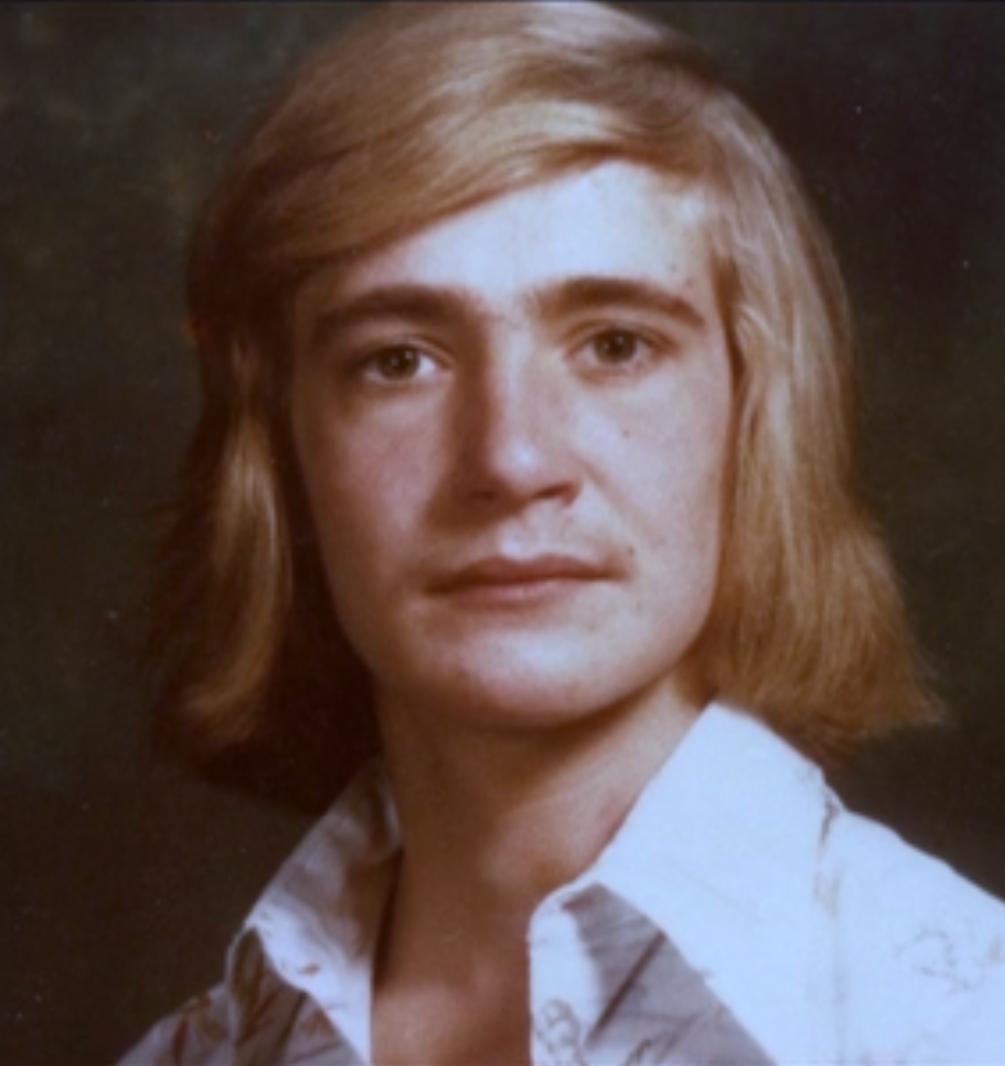
On a cold winter day in Chicago, December 9, 2009, the life of Vanessa Rajokovich, a 32-year-old White woman, was tragically cut short. Her case remains one of a deeply disturbing series of unsolved murders that has haunted the city for years. While little is known publicly about Vanessa’s life, her death has been linked by investigators and researchers to a potential serial killer, or killers, sometimes referred to as the "Chicago Strangler."
Vanessa's death is part of a cluster of at least 51 unsolved homicides of women in Chicago that occurred between 2001 and 2018. The victims in this series were predominantly, though not exclusively, Black women, and their bodies were often discovered in desolate, overlooked places. They were found in alleys, vacant lots, abandoned buildings, and sometimes in garbage cans.
The cause of death was almost always the same: strangulation or asphyxiation.
The discovery of Vanessa Rajokovich was simply noted as "outdoors," a stark and chilling detail that provides little comfort to those seeking answers. The precise location and the circumstances of how she was found have not been widely reported, a common and frustrating theme for many of these cases. This lack of detailed public information has left the families of the victims and the wider community with a painful void and a sense of unresolved justice.
The investigation into this string of murders has been complex and fraught with challenges. In 2018, the Murder Accountability Project, a nonprofit organization that analyzes homicide data, used a computer algorithm to identify the alarming pattern among the 51 unsolved cases. The group highlighted similarities in the method of killing, the disposal of the bodies, and the geographical concentration of the crimes, primarily on the city's South and West Sides. This data suggested that a serial killer could be responsible for many of the deaths.
In response to pressure from community activists and the findings of the Murder Accountability Project, the Chicago Police Department announced in 2019 that it would review the 51 cases. A task force was formed to re-examine evidence, look for new leads, and explore potential connections between the individual homicides. However, the police department has remained cautious, stating that it has not found definitive evidence, such as matching DNA, to link all the cases to a single perpetrator.
For the families of the 51 women, including the loved ones of Vanessa Rajokovich, the years have brought few answers. The cases are often mentioned collectively, a grim statistic in a city grappling with violence. Activists and some family members have voiced concerns that the victims, many of whom came from marginalized communities, did not receive the full measure of attention and resources that their cases deserved. They continue to fight to keep the memories of these women alive, demanding justice and accountability.
The story of Vanessa Rajokovich is a somber reminder of the human cost of these unsolved crimes. Each of the 51 women had a life, a story, and people who cared for them. While the investigation into the Chicago strangulations continues, Vanessa’s case, like so many others, remains open and unsolved. Her death is a quiet but persistent question, waiting for an answer that has been too long in coming.