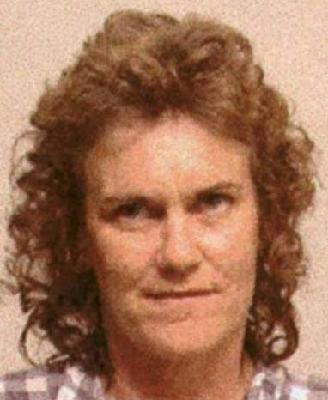
In the winter of 1988, the city of Spokane, Washington, was shaken by the disappearance of a little girl with a bright smile. Tricna Dawn Cloy, a 6-year-old female first-grader born on April 12, 1981, vanished from her family’s home, sparking a desperate search and beginning a legal saga that would span years and cross state lines. Her case is a grim reminder of a predator who moved silently among his victims, leaving a trail of grief that would take decades to fully uncover.
On the
evening of Sunday, January 24, 1988, Tricna, her 4-year-old brother Elston, and their mother, Christine Fraijo, attended a neighbor's birthday party. Also among the guests was Thomas Edward Maupin, a man who paid particular attention to the children. Later that night, after Maupin had escorted the family back to their home at 319 S. Ralph Street, the unthinkable happened. The next morning, on January 25, Christine awoke to a parent's worst nightmare: Tricna was gone. The only clue came from her young brother, Elston, who would later testify that he saw Maupin carrying his sister out of the house during the night.
A massive search effort was launched immediately, with community members joining police in combing the area for any sign of the missing child. Suspicion quickly fell on Maupin, who had a transient lifestyle and a criminal history. He was soon located, but not before he had fled the state. In February 1988, Maupin was arrested in Alabama in a stolen car and extradited back to Spokane, though initially on an unrelated charge of fondling another young girl. He was acquitted of that charge in April and, with no body and insufficient evidence to hold him for Tricna’s disappearance, he was released and once again left the area.
The agonizing wait for answers came to a heartbreaking end on June 9, 1988. Children playing in a gravel pit on the eastern edge of Spokane discovered a human skull and clumps of hair. Two days later, using dental records and clothing found at the scene—including a faded blue nightgown and a purple hair clip—coroners confirmed the remains belonged to Tricna Dawn Cloy. A forensic pathologist determined her death was a homicide, noting the attempt to conceal her body under branches as a key indicator of "homicidal violence." She is now buried at Pines Cemetery in Spokane Valley.
With the discovery of Tricna’s body, the case against Maupin intensified. He was finally tracked down in Akron, Ohio, after he called a former employer to have a tax form mailed to his address. He was arrested on January 11, 1989, and charged with Tricna's murder. This began a convoluted legal process. In 1990, Maupin was convicted of first-degree felony murder and given an exceptional sentence of 480 months. However, the conviction was overturned on appeal because the jury's verdict was not specific enough about the underlying felony. A second trial also resulted in a conviction and the same sentence, but this too was reversed due to the exclusion of a defense witness.
After years of legal battles that forced Tricna's family to endure the trauma of multiple trials, the case reached a resolution in Washington. Rather than face a third trial, Maupin pleaded guilty to a lesser charge and was sentenced to 12 years. He was released in 1997. His freedom, however, was short-lived. Maupin, a serial killer, would go on to commit other violent crimes. In 2001, he murdered two women in Tennessee, Nancy Carol Alvis and Patricia Cook Thornton. He was also convicted of a violent rape in Tennessee from that same year. In 2021, he pleaded guilty to two counts of voluntary manslaughter for the Tennessee murders, receiving a 12-year sentence to be served concurrently with an 8-year sentence for the rape. Thomas Edward Maupin’s methods included strangulation and stabbing.