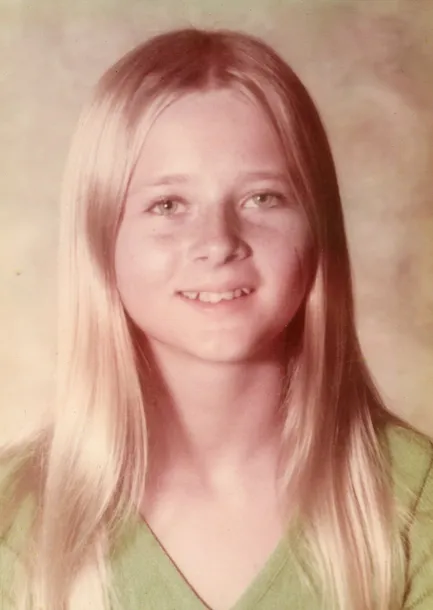
For thirteen years, the murder of Renee Baker remained a painful cold case, a story without an ending for a family left shattered by loss. The 26-year-old woman’s life was brutally cut short on June 23, 1989, in Palm Beach, Florida. Her body was discovered nude and face down in an oyster bed near the Intracoastal Waterway, at the Wild Life Sanctuary off the Southern Boulevard Causeway.
The cause of death was determined to be assault and drowning; her neck had been broken before she was left in the water.
Investigators at the scene collected what evidence they could from the tranquil, yet grim, location. Renee’s clothing, sandals, and purse were found in a neat pile on the sand about 66 feet from her body. Drag marks indicated she had been pulled from a beach area into the waterway. A key piece of evidence, though its importance wouldn't be fully understood for more than a decade, was a single Marlboro cigarette butt found near the scene. With no suspects and limited forensic technology at the time, the investigation eventually stalled, leaving a void of unanswered questions.
The case remained unsolved until a breakthrough came from hundreds of miles away in California. In the early 2000s, investigators in San Diego were re-examining the horrific 1993 murders of two young boys, nine-year-old Jonathan Sellers and 13-year-old Charlie Keever. Advances in DNA technology allowed them to test evidence from that crime scene, which led them to Scott Thomas Erskine, a man already serving a 70-year sentence for kidnapping and rape. As a convicted felon, Erskine's DNA was in the national database, CODIS.
While building their case against Erskine for the California murders, San Diego detectives learned that he had lived in Palm Beach County, Florida, from 1988 to 1991. They alerted Florida authorities, prompting local agencies to re-examine their cold cases from that period. The DNA profile extracted from the cigarette butt found near Renee Baker’s body was compared to Erskine’s. It was a perfect match. The long-unsolved murder finally had its prime suspect. Investigators also learned that during his time in Florida, Erskine had worked at a Huneywell Fireworks stand less than a mile from where Renee's body was found. A former co-worker of Erskine's later recognized Renee's photograph, telling police that a woman named Renee had been a frequent visitor to the fireworks business.
Erskine, a serial killer with a long and violent history of sexual assault beginning in his teens, was charged with Renee's murder in 2003. In August 2004, while awaiting his death penalty trial in California for the murders of the two boys, Erskine appeared via a satellite video feed in a Palm Beach County courtroom. Shackled to a chair, he pleaded guilty to the second-degree murder of Renee Baker. As part of a plea deal, he was sentenced to life in prison without the possibility of parole for her death.
Renee's family sat in the front row of the courtroom during the hearing, finally facing the man who had taken her from them fifteen years earlier. Her brother, Randy Baker, chose not to address Erskine directly in court. Afterward, he expressed his raw grief and anger, stating, "I'd like to get a hold of a gun and kill him." He added, "He didn't get what he deserves for my sister, but he got what he deserved for those two little boys in California."
Scott Thomas Erskine was ultimately sentenced to death in California for the murders of Jonathan Sellers and Charlie Keever and was sent to San Quentin State Prison. His sentence was never carried out. On July 3, 2020, at the age of 57, Erskine died from complications of COVID-19 while incarcerated. While his death closed the final chapter on his life of crime, it did little to erase the pain and loss he inflicted on the families of his many victims, including the family of Renee Baker, whose life was stolen on a summer day in Florida.