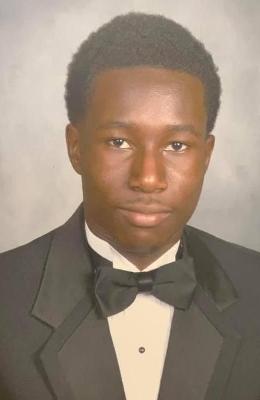
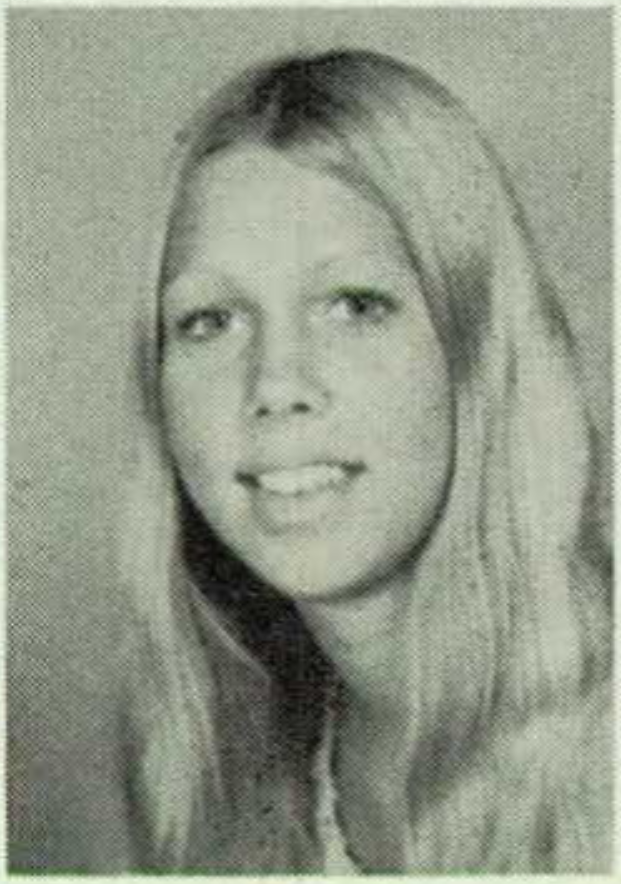
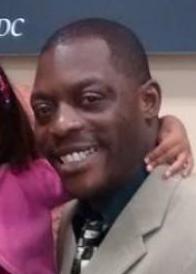
In the winter of 1994, the life of Christina Demetrice Cooper, a 24-year-old mother from Palatka, Florida, was tragically cut short, leaving her family devastated. Her case would become linked to a series of brutal killings that briefly terrorized communities in the northern part of the state. Christina’s body was discovered on February 5, 1994, in a remote, wooded area in Putnam County.
The cause of her death was determined to be strangulation, a violent and personal method that pointed to a dangerous predator in the region.
Christina was the second of three women known to have been murdered by Ervin Elroy Cherry over a four-month period. His violent spree began on November 22, 1993, with the murder of Wanda Robinson in neighboring St. Johns County. Just four days before Christina’s body was found, on February 1, 1994, Cherry killed his third victim, Katherine Walker, also in St. Johns County. Like Christina, both women were strangled, and their bodies were left in isolated locations.
The investigation into these murders was a significant challenge for law enforcement in the early 1990s. The killings occurred in different counties, and in an era before the widespread use of shared digital databases, connecting the dots between jurisdictions was a slow, manual process. Investigators in Putnam and St. Johns counties initially treated the homicides as separate and unrelated cases. The transient nature of the communities and the lack of immediate witnesses in each case further complicated efforts to identify a suspect. For a time, it seemed the killer might evade justice, leaving a trail of fear and unanswered questions.
The breakthrough in the case came unexpectedly and from another state. On September 22, 1994, seven months after Christina’s death, Ervin Elroy Cherry was arrested in Savannah, Georgia, for auto theft. He had been staying at a Salvation Army shelter there. During his detention, information emerged that linked him to the unsolved murders in Florida. The arrest finally provided law enforcement with the stationary target they needed to piece together the timeline of his crimes.
With Cherry in custody, investigators from the different Florida jurisdictions could compare notes and build their case. The evidence they had painstakingly gathered—though largely circumstantial—pointed overwhelmingly to Cherry as the man responsible for the string of strangulations. In January 1995, Ervin Elroy Cherry was charged and convicted of two counts of first-degree murder for the deaths of Wanda Robinson and Christina Cooper. He was sentenced to two consecutive life sentences without the possibility of parole.
For years, Cherry denied his involvement in the murder of Katherine Walker. However, while serving his life sentences, the case was re-examined by cold case detectives. In 2010, sixteen years after her death, Cherry finally confessed to killing Walker during an argument over a drug deal. He was subsequently convicted of her murder and received a third consecutive life sentence, ensuring he would never again be free.
The conviction of Ervin Elroy Cherry brought a definitive end to his reign of terror and delivered a measure of justice for the families of his victims. While the legal proceedings closed the chapter on the investigation, the loss of Christina Demetrice Cooper remains a painful reality for those who knew and loved her. A young mother from Palatka, her future was stolen, and her family was left to navigate a world without her.