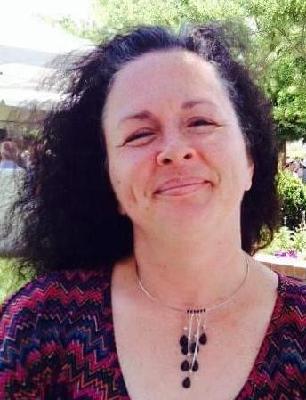
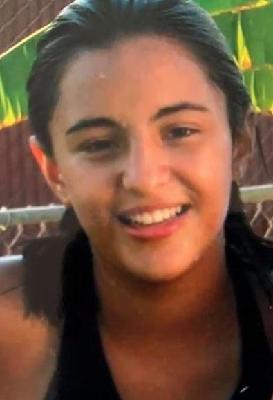
On a winter afternoon in Fresno, California, eight-year-old Victoria Ann DeSantiago, known to her family as "Toria," set out on a simple errand that ended in a city-wide tragedy. It was Saturday, February 3, 1979, when Victoria, a young female child, left her home with her three-year-old sister, Eva Marie, and their dog, Benji, to walk to a nearby convenience store for a loaf of bread. After making their purchase, the two sisters realized their dog had run off.
As they searched for their pet, a man pulled up and offered to help them, luring the innocent children into his vehicle.
The hours that followed became a nightmare for the DeSantiago family. The man released little Eva Marie several hours later, and she was found wandering and crying miles from where she and her sister had been taken. But Victoria was not with her. A frantic search was launched, and the community held its breath for three agonizing days. The search ended in heartbreak on February 6, when police officers discovered Victoria’s nude and battered body in a dry irrigation canal east of Clovis. An autopsy determined she had been sexually assaulted and beaten to death.
The murder of the little girl left a deep scar on the city of Fresno. Hundreds of letters of condolence poured in for the grieving family, and local businesses set up funds to offer financial support. The Fresno Police Department, facing immense pressure to find the killer, interviewed more than 290 potential suspects. Investigators used every tool available, from aerial photography to hypnosis, but the trail went cold. The only reliable witness was Victoria’s toddler sister, whose age limited what she could communicate. For three decades, Victoria’s case remained unsolved, a painful open wound for her family and the community. The crime’s impact spurred local advocacy, leading to the creation of the "Play It Safe" program, which used coloring books to teach children about safety and avoiding strangers.
For thirty years, there were no answers. Then, in 2009, a breakthrough came from a place of stored evidence and scientific advancement. The cold case was reopened, and DNA technology unavailable in 1979 was used on biological evidence recovered from the crime scene. The DNA profile was a match to a man already behind bars for other horrific crimes: Fernando Eros Caro. At the time, Caro was an inmate at San Quentin State Prison, serving a life sentence for the 1980 murders of two teenagers, 15-year-old Mark Hatcher and his 15-year-old cousin, Mary Booher, in a nearby town.
Caro was a former Marine and honors student who became a serial killer, suspected of murdering up to five young people between 1979 and 1980. He had originally been sentenced to death for the Hatcher and Booher murders, but his sentence was overturned on appeal and commuted to life imprisonment. The DNA match definitively linked him to the kidnapping, rape, and murder of Victoria DeSantiago. Fresno's police chief announced the stunning development, stating, "We know that Fernando Caro has killed at least five children, perhaps even more."
The identification of Caro brought a complex wave of emotions for Victoria’s family, who had waited three decades for justice. Her mother expressed her gratitude to the police for their persistent work. Victoria’s father, Joe DeSantiago, who had endured 30 years of not knowing, spoke of his hope for a final, harsh justice for the man who stole his daughter’s life. "I am anxious for him to meet Satan," he said in an interview. Prosecutors in Fresno County announced they would seek the death penalty against Caro for Victoria’s murder, beginning the process of bringing him to trial for the 30-year-old crime.
However, Fernando Eros Caro would never face a jury for the murder of Victoria DeSantiago. While awaiting trial, still incarcerated at San Quentin State Prison, the 67-year-old killer died on January 28, 2017. His death closed the final chapter on a series of brutal crimes, but it also denied Victoria's family the opportunity to see him held publicly and legally accountable for her death. The case is considered solved, but the justice her family longed for remains a measure of peace that was ultimately left to be found outside of a courtroom.