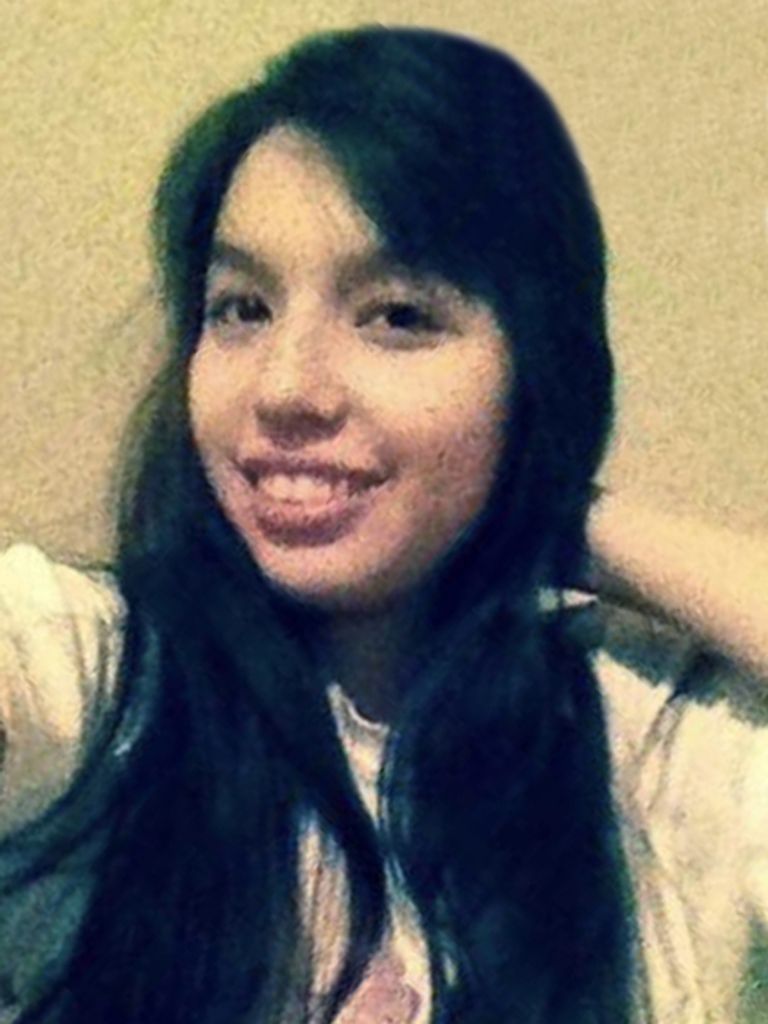
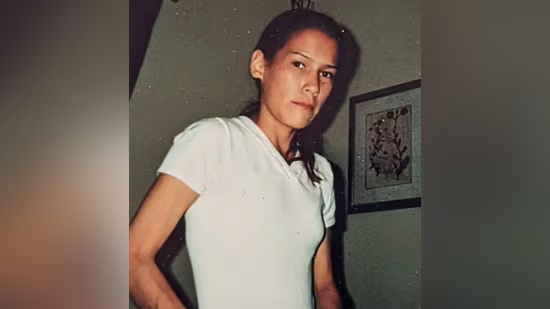
For years, she was a name waiting to be spoken, a face for her family to find. To the world, she was Mashkode Bizhiki'ikwe, or Buffalo Woman, a spirit name given to her by Indigenous community members so she would not be forgotten. It was not until March 2025 that police confirmed the identity of this previously unknown victim of a serial killer: Ashlee Christine Shingoose, a 30-year-old First Nations woman from St. Theresa Point Anisininew Nation in Manitoba.
A mother, daughter, and sister, her life was stolen in a series of brutal killings that targeted vulnerable Indigenous women in Winnipeg.
Ashlee was a member of the St. Theresa Point Anisininew Nation, a remote Oji-Cree community. Described by her family as quiet and independent, she was a mother of three who was navigating personal struggles. In a heartbreaking voice message sent to her mother not long before she died, Ashlee spoke of her loneliness and her desire for a better life for her children. "Mom, I'm really trying my best, and I will never stop trying," she said. In March 2022, she went missing from the streets of Winnipeg. Her father, Albert Shingoose, traveled to the city from their home community, spending months combing the streets in a desperate search for his daughter. "Sometimes my legs and feet could not take even one more step," he later wrote in a statement.
Between March and May of 2022, a man named Jeremy Anthony Micheal Skibicki targeted, sexually assaulted, and killed four Indigenous women in Winnipeg. The investigation began in May 2022, when the partial remains of Rebecca Contois, 24, were found in a garbage bin. Skibicki was arrested and, during an interrogation, confessed to killing Contois and three other women: Morgan Harris, 39, Marcedes Myran, 26, and a fourth woman he could not name. Police believed Ashlee was his first victim, killed around March 15, 2022, after he met her outside a shelter and brought her to his apartment. He disposed of her body in a commercial garbage bin, and her remains are believed to have been taken to the Brady Road landfill in Winnipeg.
The prosecution of Skibicki was highly unusual, as he was charged with and tried for the murder of a woman whose identity and body were still missing. During the trial, she was referred to by the name Buffalo Woman. Skibicki admitted to the killings but claimed he was not criminally responsible due to mental illness. On July 11, 2024, a judge rejected this defense and convicted him of four counts of first-degree murder. He was later sentenced to four concurrent life sentences with no possibility of parole for 25 years.
Even after the conviction, investigators continued working to identify Buffalo Woman. The breakthrough came in December 2024, when police interviewed the incarcerated Skibicki, who provided new details. This information led investigators to re-examine evidence. DNA analysis of a cigarette butt and a pair of pants seized from Skibicki's home provided a match to Ashlee Shingoose. On March 26, 2025, the Winnipeg Police Service publicly confirmed her identity, finally giving a name to the woman at the center of a years-long mystery.
The confirmation brought a new wave of grief and a measure of closure for Ashlee’s family. Her father said he had felt in his heart that his daughter was the unknown victim. "It felt like no one heard us. No one acted," his statement read. "For the longest time, Ashley remained unidentified, while we were out here screaming into silence." The family’s pain was compounded by the death of one of Ashlee's daughters, a teenager who struggled deeply with her mother's disappearance and froze to death a year after the murder.
Because Ashlee was not identified until after sentencing, her family was unable to provide victim impact statements during the trial. In an exceptional legal move, the Manitoba Court of King's Bench held a special hearing in August 2025 to allow them to speak. It was a chance to affirm the dignity and humanity of a woman who had been rendered anonymous in her death. Her family shared their pain and spoke of the kind, loving person they had lost. Following her identification, the Manitoba government promised to search the Brady Road landfill for her remains, a search her mother pleaded for. "I need to bring her home," she said.