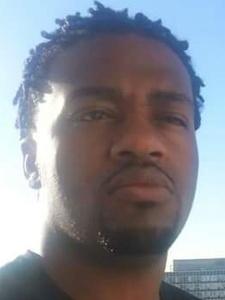
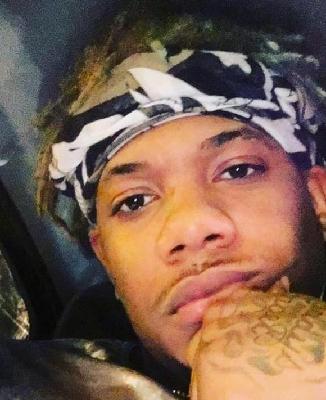
Dijorn Wells, a 17-year-old male from Chicago’s Washington Park neighborhood, had his life cut short by a sudden and brutal act of gun violence on a Monday morning. Though he lived in Washington Park, a community known for its historic green spaces, his life ended miles away in the Englewood neighborhood on the city's South Side, a community that has long grappled with the persistent challenge of violent crime.
The fatal encounter occurred on October 19, 2026, at approximately 11 a.m.
Dijorn was walking along the 800 block of West 71st Street, a busy commercial and residential corridor characterized by its brick buildings and local storefronts. According to a Chicago police report, the attack was swift and targeted. A white car that had been traveling in the same direction as Dijorn abruptly made a U-turn. Two gunmen then jumped out of the vehicle and, without warning, opened fire directly at the teenager.
In a desperate attempt to save his life, Dijorn turned and ran east down 71st Street. The assailants did not pursue him on foot. Instead, they fled the scene, running south on Peoria Street and vanishing. The brazen daylight shooting left Dijorn critically wounded on the sidewalk. No other injuries were reported in the incident, which shattered the late-morning calm of the neighborhood.
First responders were dispatched to the scene, where they found the gravely injured teenager. Paramedics worked quickly to stabilize him before rushing him to the University of Chicago Medical Center, a Level 1 adult trauma center renowned for its emergency care. Despite the immediate medical intervention and the efforts of the hospital's staff, Dijorn’s injuries proved to be catastrophic. A little over an hour after the attack, at 12:12 p.m., Dijorn Wells was pronounced dead, his death confirmed by the Cook County medical examiner’s office.
The investigation into the homicide was immediately launched by the Chicago Police Department, with Area 1 detectives taking the lead. Investigators began the methodical process of piecing together the events that led to the shooting. They canvassed the area for potential witnesses who might have seen the gunmen or the white car they used. Detectives also searched for surveillance cameras on nearby businesses or homes that could have captured footage of the ambush, the assailants, or their escape route. The nature of the attack, with the car specifically turning around to confront Dijorn, strongly suggests he was the intended victim, but police have not publicly identified a motive.
As of the latest reports in October 2026, the investigation into Dijorn's murder remains active and unsolved. No arrests have been made, and authorities have not released any descriptions of the two gunmen or provided further details about their white vehicle. The individuals responsible for ending a teenager's life in broad daylight remain at large.
The absence of public information about Dijorn's life—his family, his school, his passions, and his dreams—leaves a painful void where the story of a young man should be. His death is a tragic statistic among the many young lives lost to gun violence in Chicago. Without witnesses coming forward or a break in the case, the full truth of why Dijorn Wells was killed on that Monday morning remains unknown, leaving his loved ones to mourn without answers or a sense of justice.