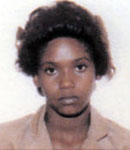
Deserie Saravia, also identified in news reports as Desarie Elizabeth Saravia, was a five-year-old Hispanic girl whose life ended tragically on November 12, 2004, following a horrific assault in Castaic, California, a community in northern Los Angeles County. Her death exposed a prolonged history of physical abuse, neglect, and suffering at the hands of adults responsible for her care. What initially appeared to be a medical emergency quickly developed into a homicide investigation that would eventually lead to a death sentence for her mother's boyfriend and a lengthy prison sentence for her mother.
Deserie and her older brother, Brian, had experienced an unstable childhood, moving between relatives and their mother, Debby Saravia, who was involved in a relationship with Antonio Rodriguez. The children had previously lived with their paternal grandmother, Marina Jovel, who reportedly cared deeply for them and had expressed concerns about their welfare. Relatives later described troubling changes in the children's behavior and physical condition after they returned to their mother's care. Once outgoing and affectionate, they reportedly became withdrawn and fearful. Family members also noticed signs of malnutrition and injuries that raised suspicions of abuse.
Investigators eventually discovered that the children had endured months of severe mistreatment. Prosecutors described a pattern of punishment that included beatings with belts and electrical cords, cigarette burns, deprivation of food, and being forced to stand for extended periods. Both children suffered physical injuries, and medical evidence later revealed that Deserie had sustained numerous injuries at different stages of healing. The prolonged abuse became an important part of the prosecution's case, demonstrating that the fatal assault was not an isolated incident but the culmination of sustained violence.
On November 12, 2004, Rodriguez took Deserie and Brian to Hasley Canyon Park in Castaic while their mother was cleaning a nearby residence. During the visit, Rodriguez brought Deserie into the women's restroom, where he sexually assaulted and severely beat her. The attack caused devastating internal injuries, including extensive damage to her abdomen and intestines. Prosecutors later established that the violence inflicted that day was responsible for her death.
Following the assault, Rodriguez transported the children to the residence where their mother was working. Deserie was unresponsive, and Rodriguez attempted to perform CPR outside the home. Neighbors became alarmed by the situation, and emergency services were contacted. When paramedics arrived, they found Deserie experiencing convulsions and suffering from critical injuries. She was rushed to a hospital, where medical personnel attempted to save her life, but she was pronounced dead. An examination determined that she had suffered fatal multiple blunt-force injuries. Her brother was also hospitalized after authorities discovered evidence that he had been seriously abused.
The Los Angeles County Sheriff's Department began investigating the circumstances surrounding her death. Detectives quickly identified Rodriguez and Debby Saravia as suspects. Both were arrested in November 2004, and investigators uncovered evidence suggesting that the children had been subjected to repeated acts of violence well before the fatal incident. Rodriguez faced numerous felony charges, including murder, torture, sexual assault, child abuse, and assault on a child causing death. Debby Saravia initially faced child abuse and related charges, with prosecutors subsequently adding a murder charge in 2005 based on allegations that she had aided and abetted the abuse that ultimately led to her daughter's death.
The investigation also raised serious questions about the actions of the Los Angeles County Department of Children and Family Services. Reports indicated that concerns about the children's safety had been brought to the agency's attention before Deserie's death. A child welfare case had been opened in September 2002 after allegations that the children had been abandoned at their grandparents' home while their mother was incarcerated. Additional reports of suspected abuse or neglect followed in 2003 and 2004. Despite assessments identifying a very high risk of abuse, the children remained in circumstances where they continued to suffer harm. An internal review later criticized deficiencies in the handling of the case, and the department subsequently strengthened procedures governing the closure of high-risk child welfare investigations.
Years passed before Rodriguez was brought to trial. In July 2010, a jury in San Fernando Superior Court heard evidence describing the extensive injuries Deserie suffered, the abuse inflicted on her brother, and the circumstances surrounding the fatal attack. Medical testimony documented the severity of her injuries, while prosecutors argued that Rodriguez had deliberately subjected both children to sustained cruelty. The defense presented testimony concerning Rodriguez's troubled upbringing and allegations of neurological problems, seeking to persuade jurors that he should be spared the death penalty.
On July 8, 2010, the jury convicted Antonio Rodriguez of eight felony counts, including first-degree murder, torture, child abuse, corporal injury to a child, forcible sexual penetration, and assault on a child causing death. The convictions also addressed the abuse inflicted upon Brian. Following a separate penalty phase, jurors recommended that Rodriguez receive the death penalty rather than life imprisonment without parole. On September 2, 2010, Superior Court Judge Ronald S. Coen upheld that recommendation and formally sentenced Rodriguez to death. During the sentencing proceedings, the judge described the case as one of the most disturbing examples of torture he had encountered throughout his lengthy judicial career.
Deserie's mother also faced substantial criminal consequences. In January 2011, Debby Saravia entered no-contest pleas to charges connected with the abuse of her daughter and the attempted murder of her son. The proceedings included a child abuse charge and a charge involving sexual penetration with a foreign object, for which prosecutors alleged she bore responsibility as an aider and abettor. She ultimately received a 28-year prison sentence. Although she had previously been charged with murder in connection with Deserie's death, she was not convicted of that offense. Prosecutors distinguished her criminal responsibility for the ongoing abuse from Rodriguez's direct role in the fatal attack at the park.
The case continued to affect surviving relatives long after the convictions. A close member of the family publicly described the struggle to come to terms with Deserie's murder, explaining that even the harshest punishment could never restore the child's life. Although Rodriguez received a death sentence, the family member expressed the belief that forgiveness, rather than revenge, was necessary to move forward. Deserie's brother survived the abuse, but the experience left him without his sister and exposed the devastating consequences of the violence they had endured together.
Deserie Saravia's death remains a particularly heartbreaking example of prolonged child abuse culminating in murder. The investigation established that her suffering had continued for months before the final attack, and the subsequent criminal proceedings held both Rodriguez and her mother accountable for their respective actions. Beyond the convictions and prison sentences, the case prompted scrutiny of the child protection system and the repeated opportunities that may have existed to intervene. Her death on November 12, 2004, left a lasting tragedy for those who loved her and became a painful reminder of the importance of recognizing and responding to warning signs of child abuse before another life is lost.