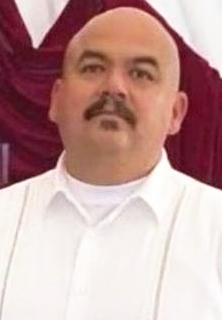
The early summer of 2005 brought another sudden tragedy to the working-class port neighborhood of Wilmington in southern Los Angeles. On Wednesday, June 22, 2005, thirty-year-old Juaquin Aragon lost his life under violent circumstances that immediately prompted an investigation by local authorities. Responders arriving at the scene discovered Aragon unresponsive, and despite efforts to assist him, he was officially pronounced dead that day.
Juaquin Aragon, identified in official records as a Hispanic male, was only thirty years old when his life was abruptly cut short. Wilmington, nestled between the heavy cargo routes of the Port of Los Angeles and surrounding industrial corridors, is a tightly knit, predominantly Latino community where neighborhoods frequently grapple with the reverberations of street violence. Despite the presence of residential streets, active commerce, and long-standing family households, incidents occurring within the district often encounter silence or an absence of eyewitness testimony.
Following the discovery of Aragon, homicide detectives assigned to the Los Angeles Police Department's Harbor Division assumed responsibility for the case. Investigators secured the scene, searched for physical evidence, and canvassed the surrounding vicinity for any witnesses who might have seen or heard the events leading up to his death. Despite their presence and preliminary examination of the area, the specific cause of his death was not released to the public, cataloged simply under non-specified means in public records.
The broader backdrop of 2005 in Los Angeles County was marked by a relentless wave of violent crime. Across the city and its surrounding unincorporated areas, hundreds of homicides were logged that year, placing an immense burden on detective squads trying to solve simultaneous cases with limited initial leads. In high-volume years, cases that did not yield immediate suspect descriptions, clear surveillance footage, or voluntary statements from nearby residents frequently stalled early in the investigative process.
In the days and months following Juaquin Aragon's death, no arrests were announced, and prosecutors were never presented with charges in connection to his killing. The individuals responsible managed to slip away into the urban landscape, leaving law enforcement without viable leads and depriving those who knew Aragon of clear answers regarding who targeted him and why.
Decades have now passed since that June day in 2005, and the killing of Juaquin Aragon remains an unresolved cold case. The passage of time has only deepened the silence surrounding his death, yet detectives continue to maintain that cold cases can still be cracked through modern forensic review or new information brought forward by community members. Law enforcement officials urge anyone who holds knowledge about the events leading up to Aragon's death to contact the Los Angeles Police Department or submit an anonymous tip through Crime Stoppers.