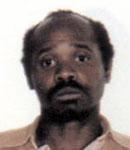
On Friday, December 1, 2006, forty-six-year-old Jesus Torres, a Latino man, lost his life in Los Angeles County. His death was ruled a homicide, marking the end of a life cut short under circumstances that have remained largely obscured from public view. The official inquiry into his killing was handled by detectives with the Los Angeles County Sheriff's Department Homicide Bureau, the primary investigative body charged with unraveling unexplained deaths and violent felonies across the county's vast unincorporated communities and contract cities.
The specific cause of Torres's death was not publicly released by authorities, categorized in administrative records only under the broad designation of other rather than the more common categories of gunshot or stab wounds. Investigators and medical examiners documented the loss, yet the precise physical events leading to his passing and the exact street or neighborhood where he was fatally injured were not disclosed in archived public records.
The year 2006 proved to be an exceptionally violent period across Southern California, with Los Angeles County recording hundreds of homicides that strained investigative divisions and filled regional morgues. Sheriff's homicide detectives worked under relentless caseloads as dozens of fatal encounters unfolded month after month across urban corridors, suburban neighborhoods, and industrial stretches. Amid this heavy volume of crime scene investigations and sprawling inquiries, cases lacking immediate eyewitness testimony or public appeals often receded quietly into law enforcement files without gaining broader media attention.
In the days and months following the fatal event, no suspect names or descriptions were formally announced by law enforcement. Authorities did not publicize arrests, and prosecutors never brought formal criminal charges in connection with the killing. Without publicized leads, community rallies, or surviving family members stepping forward into the public sphere to offer statements or share personal memories, Torres's death became another quiet tragedy among the region's unresolved cases.
Today, the homicide of Jesus Torres remains unsolved, having spanned nearly two decades without a public resolution. The Los Angeles County Sheriff's Department Homicide Bureau continues to maintain jurisdiction over cold cases from 2006, relying on the possibility that modern forensic developments, shifting alliances, or new witness testimony might eventually come to light. Investigators routinely ask that anyone who possesses information regarding unresolved homicides from this period contact the Los Angeles County Sheriff's Department Homicide Bureau or submit tips anonymously through Crime Stoppers to help bring long-delayed answers.