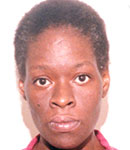
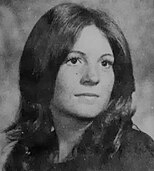
On December 2, 2006, fifty-five-year-old Deisy Flores Quiroz, a Hispanic woman, died in Los Angeles, California. Her life was abruptly cut short on an early December day, adding her name to the long and sobering list of lives lost to violence in the city that year. Official examinations into the circumstances surrounding her death determined that she had been the victim of a homicide, yet official records classified the specific cause of her death as other, leaving the exact mechanism of harm unreleased to the broader public.
The investigation was opened by local authorities in Los Angeles, where detectives sought to establish a timeline of events leading up to her death and reconstruct the final hours she spent. In urban homicide investigations, investigators routinely canvass surrounding neighborhoods, speak with family members and acquaintances, check for potential security footage, and search for witnesses who might have seen or heard something unusual. However, in the case of Quiroz, few details of the physical surroundings or the immediate aftermath were ever made widely accessible, cloaking the crime in lingering quiet.
The year 2006 was a demanding and sorrowful time for law enforcement and communities throughout Los Angeles County. Hundreds of homicides were recorded across the region that year, straining investigative resources and leaving many families to navigate their grief in relative obscurity. While higher-profile homicides and street-level conflicts often dominated news broadcasts and local headlines, many cases involving older victims or quiet residential incidents received little to no media coverage, slipping out of public view as new cases arrived daily.
Decades after her passing, the identity of whoever was responsible for the death of Deisy Flores Quiroz remains unknown. Detectives have not announced any formal suspects or persons of interest, and no arrests have ever been reported. The absence of public tips or forensic breakthroughs has kept the investigation from moving forward into courtrooms, leaving legal accountability entirely unresolved.
Today, the case remains an open and unsolved homicide on the books in Los Angeles. Law enforcement agencies continue to maintain records of cold cases from 2006, relying on the possibility that time, changing personal allegiances, or new forensic evaluations might someday prompt someone to come forward. For now, questions continue to surround the circumstances of Quiroz's final hours, and investigators still depend on members of the public who may carry crucial memories or information to step forward and help bring answers to the long-standing investigation.