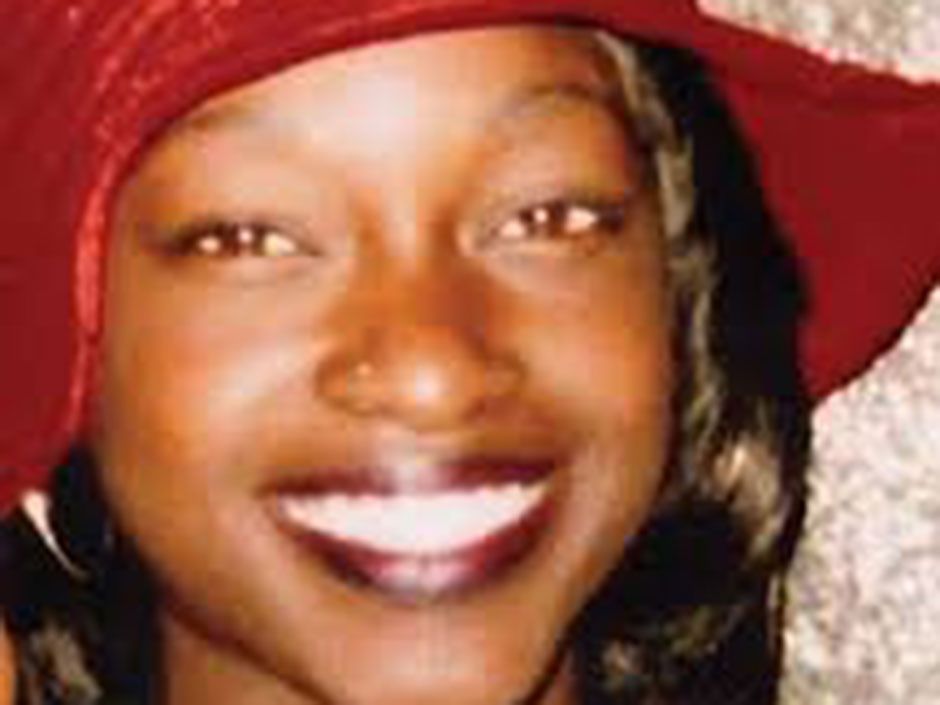
On the afternoon of Thursday, May 15, 2014, thirty-two-year-old Natalie Marie Rashkov was transported by ambulance to a hospital after suffering severe medical distress at a residential address in the 15500 block of Chase Street in the North Hills neighborhood of Los Angeles. First responders were initially dispatched under the possibility of an accidental overdose, but upon her admission to the hospital's medical surgery unit, physicians were unable to revive her. She was formally pronounced dead at 3:50 p.m.
An investigation into the circumstances of her passing soon revealed a complex and tragic medical history that transformed the inquiry into a homicide investigation. Natalie, a White woman born on January 23, 1982, had lived for five years as a paraplegic following a severe stabbing. The Los Angeles County Department of Medical Examiner-Coroner examined her case and determined that the sequence leading to her fatal collapse stemmed directly from the traumatic physical assault she had suffered around 2009.
According to medical examiner findings, the official cause of death was ruled to be sequelae of urosepsis caused by a neurogenic bladder and paraplegia, originating from a sharp-force traumatic injury of the neck and spinal cord. The violent assault years prior had severed or irreparably injured her spinal column, depriving her of voluntary mobility and causing systemic bodily dysfunction. When the downstream urinary complications developed into fatal urosepsis, the law and forensic protocol recognized a clear and unbroken chain of causation, categorizing her ultimate death as a homicide.
North Hills, situated in the central San Fernando Valley along thoroughfares like Chase Street and Sepulveda Boulevard, saw several violent encounters during that era. In 2014, the City of Los Angeles recorded nearly 260 homicides across its various divisions, with regional detectives tasked with investigating everything from street violence to delayed fatalities. Despite the coroner's office classifying Natalie's death as a murder due to the original stabbing, investigators at the time possessed minimal details regarding where the attack occurred, the specific date of the assault, or the circumstances surrounding the violence that had taken away her mobility.
No suspects were ever publicly named in connection with the attack that permanently disabled her, nor were any charges filed or arrests announced. The passage of five years between the knife attack and her fatal medical collapse created significant hurdles for detectives trying to reconstruct the initial crime scene and locate witnesses. More than a decade after she was injured, the identity of the person who inflicted the fatal neck wound on Natalie Marie Rashkov remains completely unknown, and the case continues to stand as an unsolved homicide.