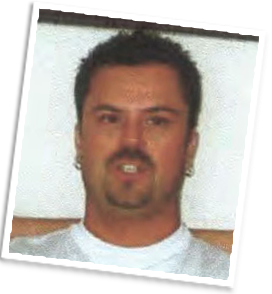
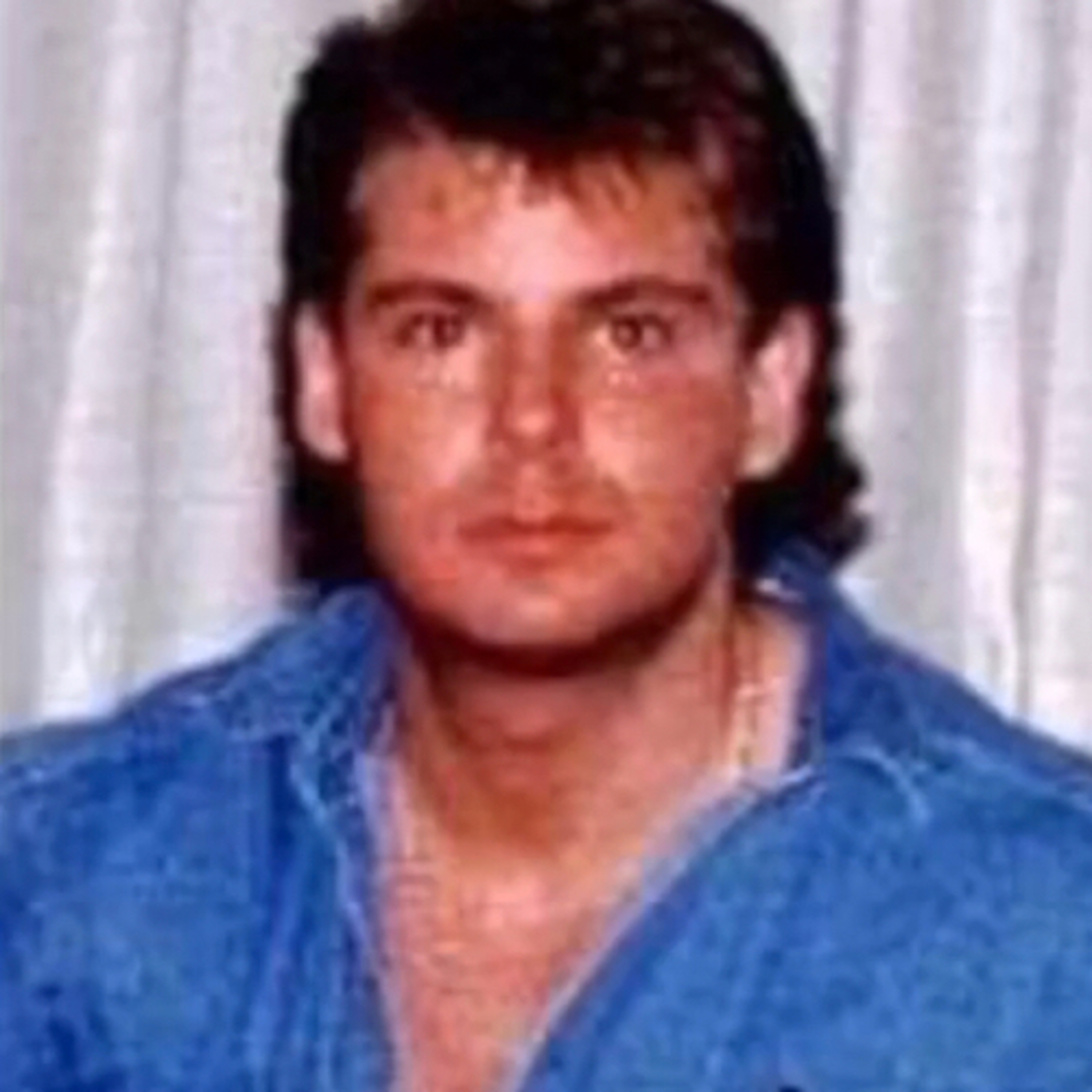
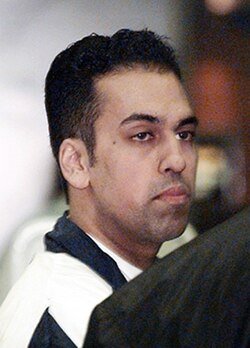
Ranjit Singh Cheema, a 44-year-old Punjabi-Canadian man, was killed in a targeted drive-by shooting in southeast Vancouver on the morning of May 2, 2012. At about 9:30 a.m., Cheema was outside his parents' home in the 1100 block of East 61st Avenue, near Ross Street, when he was shot as he was getting into his vehicle. Police responding to the scene found him in the roadway.
Investigators quickly characterized the attack as a deliberate, gang-related killing rather than a random act of violence.
The shooting unfolded in a residential neighbourhood close to Moberly Elementary School. Witnesses described hearing a rapid series of gunshots, with some reporting six or seven shots. The gunman or gunmen escaped in a vehicle before police arrived, prompting an immediate search for the suspect vehicle. Vancouver police later appealed to residents to recall whether they had noticed an unfamiliar vehicle idling nearby or suspicious people or activity in the area during the days or weeks before the murder, suggesting investigators believed the killing may have involved advance surveillance or planning.
Cheema had been a prominent figure in Vancouver's organized-crime world for years and had associations dating back to the era of Bindy Johal and Robbie Kandola. His criminal history included cocaine trafficking and an international drug-smuggling conspiracy. He had been extradited to the United States in 2008 and pleaded guilty in a case involving a plan to bring approximately 200 kilograms of heroin from Pakistan into North America. He received a five-year federal prison sentence and returned to British Columbia only a few months before he was killed.
According to reporting based on police sources and people who knew him, investigators considered Cheema's attempt to re-establish himself in the Lower Mainland drug trade after his release as a possible backdrop to the murder. During the years he had been imprisoned, the organized-crime hierarchy around Vancouver had changed. People who had once occupied lower positions had gained influence, and reports at the time suggested Cheema had become involved in disputes with former associates after trying to resume his previous role. Those conflicts were considered a possible motive, but police did not publicly identify any individual as the person who ordered or carried out the killing.
Cheema's killing occurred during a period of heightened concern about gang violence in British Columbia. Sandip Duhre had been shot to death in downtown Vancouver earlier that year, and Thomas Gisby was killed in Mexico only days before Cheema. Although the proximity of the killings raised concerns about escalating violence, police did not believe Cheema's murder and Gisby's death were directly connected. Reporting after Cheema's funeral indicated investigators believed his death was more likely connected to conflicts involving rivals from his south Vancouver environment.
Police maintained a conspicuous presence at Cheema's funeral, where hundreds of mourners gathered. Officers monitored people arriving and leaving, photographed attendees and recorded licence-plate information. Afterward, family members and mourners attended a prayer service at the Ross Street Sikh temple, only a short distance from where he had been killed. The police attention reflected both Cheema's history and investigators' concern that his murder was part of continuing organized-crime tensions.
No publicly identified suspect was charged in Ranjit Cheema's murder. Contemporary reports stated that no arrests had been made, and the case continues to be identified in public records as an unsolved targeted killing. No publicly reported prosecution, trial or conviction has followed the May 2, 2012 shooting.